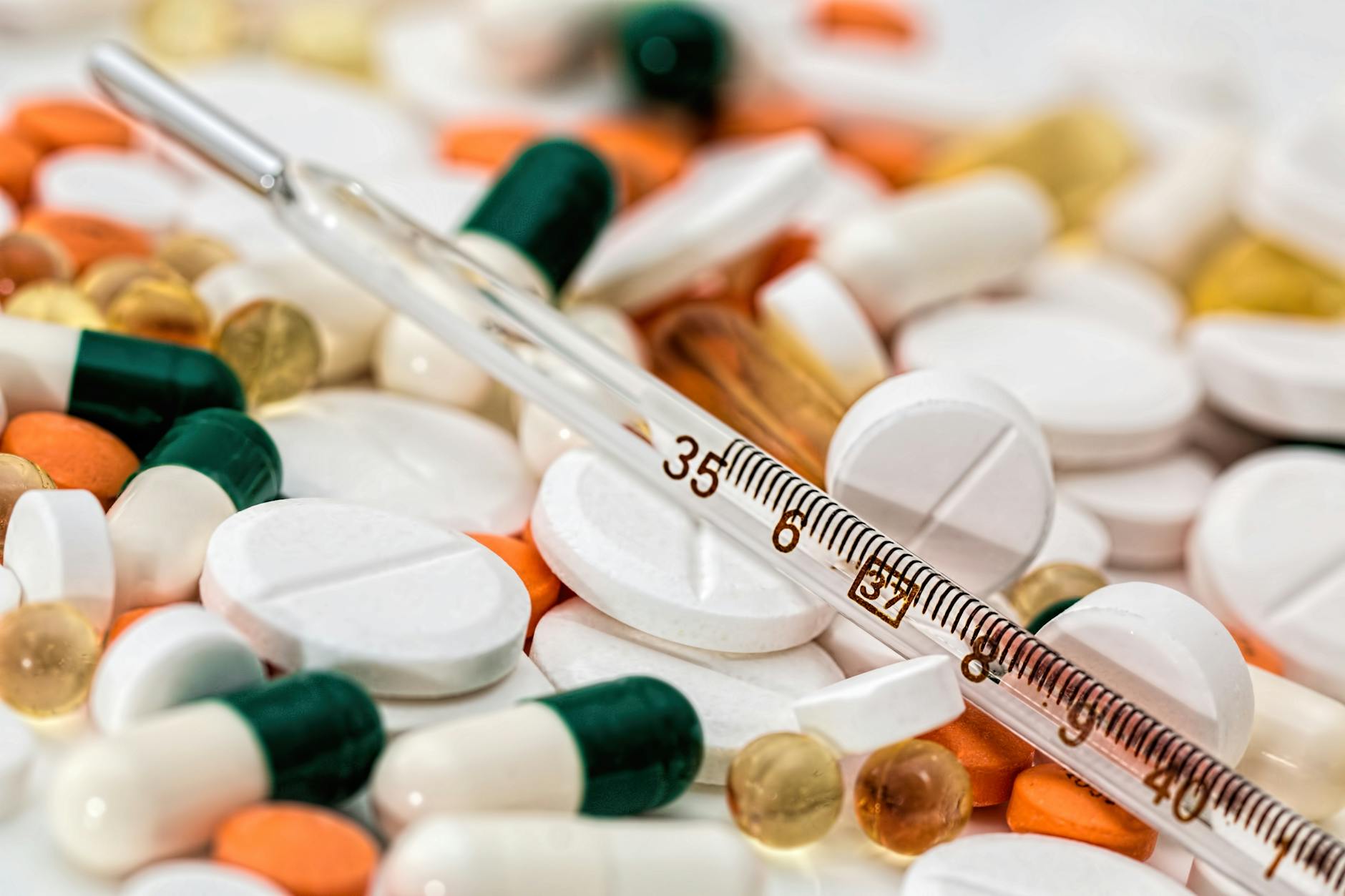
The temperature hit 104°F in Phoenix yesterday. A 72-year-old woman collapsed in her garden. She was on beta-blockers for hypertension. Her body couldn't sweat.
Heatstroke doesn't discriminate, but it does target the vulnerable. And millions of Americans are walking around with prescriptions that make them ticking time bombs when the mercury rises. The drugs keep you alive — until the heat turns them against you.
The Usual Suspects: Medications That Fry Your Thermostat
Your body's cooling system is elegant: blood vessels dilate, sweat pours out, heat radiates. Except when drugs short-circuit that process. Beta-blockers, the go-to for high blood pressure, slow your heart rate and reduce cardiac output. That means less blood reaches your skin. Less heat leaves your body. You overheat faster, and you don't even realize it until you're on the ground.
Antihistamines — those little allergy saviors — block histamine. But histamine also helps regulate sweating. Block it, and your sweat glands stop cooperating. You can't cool down. Diuretics, or water pills, flush fluid from your body. In a heat wave, that fluid is what you need to sweat. Without it, dehydration sets in fast, leading to electrolyte imbalances and kidney strain.
“Your body's cooling system is elegant — until drugs short-circuit it.”
Then there are antipsychotics and antidepressants. They mess with the hypothalamus, your brain's thermostat. Drugs like haloperidol and olanzapine can cause a condition called neuroleptic malignant syndrome — a medical emergency where your core temperature spikes and you can't stop shaking. And stimulants like Adderall? They rev your metabolism, generating internal heat. Combine that with external heat, and you're cooking from the inside.
Who's at Risk? More Than You Think
It's not just the elderly. Anyone on medication for chronic conditions — heart disease, depression, allergies, ADHD — needs to pay attention. A 2023 study in the Journal of the American Medical Association found that 40% of heat-related hospitalizations involved patients on at least one drug that impairs thermoregulation. Forty percent. That's not a niche problem.
Children with asthma on certain inhalers, pregnant women on diuretics for preeclampsia, athletes on NSAIDs for pain — they're all in the danger zone. NSAIDs like ibuprofen can reduce blood flow to the kidneys, compounding the dehydrating effects of heat. And alcohol? It's a diuretic and a vasodilator. Drinking beer at a barbecue is like turning off your radiator.
What the Hell Can You Do?
First, don't stop your meds. That's non-negotiable. But you can adjust your behavior. Talk to your doctor about dosage adjustments during heat waves — some blood pressure meds can be temporarily reduced or taken at night. Stay indoors between 10 a.m. and 4 p.m. If you must go out, douse yourself with water. Wear lightweight, light-colored clothing. And for God's sake, drink water — not just when you're thirsty, because thirst is a late signal.
Know the signs of heat exhaustion: heavy sweating, weakness, cold clammy skin, nausea. If you or someone else has a rapid pulse, confusion, and hot dry skin (no sweating), that's heatstroke. Call 911. While waiting, get the person into shade, remove excess clothing, and apply cool water or ice packs to the neck, armpits, and groin.
The Climate Factor: This Isn't Going Away
Heat waves are becoming longer, hotter, and more frequent. The National Oceanic and Atmospheric Administration reported that 2023 was the hottest year on record, and 2024 is tracking to beat it. This isn't a one-off weather event. It's the new normal. And our medical system hasn't caught up.
Most drug labels don't include specific heat warnings. Package inserts for beta-blockers might mention “dizziness,” but they won't say “this drug triples your risk of heatstroke when the temperature hits 100°F.” That's a gap — and it's killing people.
Some cities are starting to require utility companies to keep power on for vulnerable residents during heat emergencies. But if your medication is making you overheat, air conditioning is only half the solution. You need to know the risks. You need to plan ahead.
Your meds are supposed to help you live longer. But in a heat wave, they could betray you. Stay cool. Stay hydrated. And ask your doctor the hard questions before the thermometer hits triple digits.