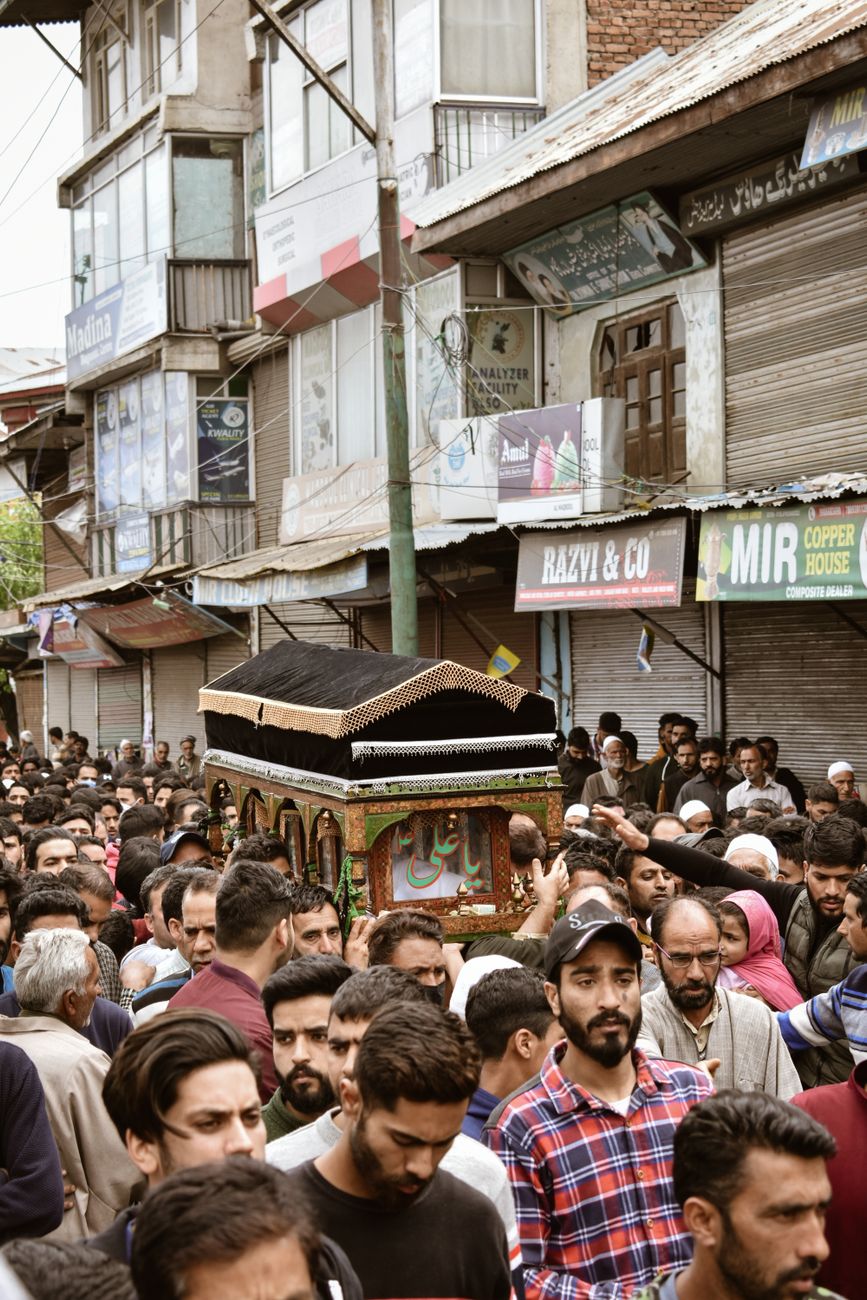
The first round of voting in Pakistan-administered Kashmir didn’t just deliver ballots—it delivered bodies. At least 30 people are dead, according to protest groups, after clashes erupted across the disputed region on July 27. What was supposed to be a show of democracy turned into a battlefield.
Witnesses describe scenes of chaos: tear gas canisters whistling through narrow streets, gunshots echoing off the mountains, and medics scrambling to treat the wounded. The violence wasn’t random. It was organized, simmering for weeks before boiling over on election day.
A Democracy on a Knife’s Edge
Pakistan-administered Kashmir has long been a tinderbox. The region, split between India and Pakistan since 1947, holds elections that are often more about symbolism than substance. But this time, something snapped. Protesters accused the local government of rigging the vote, of handing power to a puppet regime controlled from Islamabad. They wanted a boycott. Instead, they got bullets.
“They fired without warning. I saw a teenager fall, his mother screaming over him. This wasn’t security—it was slaughter.” – Local shopkeeper, Mirpur
The official death toll stands at 12, but protest groups say the real number is at least 30, with hundreds injured. The discrepancy isn’t surprising. In Kashmir, official numbers are always lower than the ground truth. Bodies disappear. Hospitals are pressured to falsify records. The dead become statistics, their names forgotten.
The Politics of Blood
Why now? Kashmir’s elections are rarely peaceful, but this level of carnage is unusual. The answer lies in the region’s shifting political landscape. For years, Pakistan has used Kashmir as a bargaining chip—a cause célèbre to rally against India. But inside its own borders, the mood is souring. Separatist groups, once fringe, are gaining traction. They see the local government as a tool of Islamabad, not a voice for the people.
Protesters demanded the election’s cancellation. When authorities refused, the streets became a war zone. Security forces, armed with live ammunition, met stone-throwing crowds with fatal force. The government calls it law and order. The families of the dead call it murder.
A River of Grief
In Mirpur, the commercial heart of Pakistani Kashmir, the markets are empty. Shops are shuttered. The only sound is the wail of mourning women. I spoke to a father who lost his 19-year-old son. He held a bloodstained voter card in his hands. “He wanted to vote,” the father whispered. “He believed it mattered.” The card is now a relic of a dead dream.
The violence has deepened the divide between Kashmiris and the state. Even those who supported the election now question its legitimacy. “How can we trust a system that kills its own citizens?” asked a teacher in Muzaffarabad. “This isn’t democracy. It’s dictatorship by ballot.”
Pakistan’s government has promised an inquiry, but such promises are hollow. After every massacre, there’s an investigation. After every investigation, there’s a report. And after every report, nothing changes. The security forces operate with impunity. The protesters know this. That’s why they’re angry.
The Echo Chamber of Conflict
The unrest in Pakistan-administered Kashmir doesn’t exist in a vacuum. It echoes across the Line of Control, where Indian forces have their own bloody history with Kashmiri separatists. Both sides use the region as a stage for their rivalry, but the actors are always the same: civilians caught in the crossfire.
India seized on the violence, calling it proof that Pakistan cannot govern its own turf. Pakistan fired back, accusing India of meddling. The tit-for-tat is predictable, sickeningly so. Meanwhile, the dead are buried, and the living prepare for the next round of voting—and the next wave of bloodshed.
International observers are silent. The United Nations has issued a statement urging restraint, but words are cheap in Kashmir. The US, distracted by its own crises, looks the other way. The world has grown tired of Kashmir’s pain. It’s a story that never ends, a wound that never heals.
What Comes Next
The second round of voting is scheduled for next week. The government insists it will proceed. The protesters vow to block it. The security forces are bracing for more violence. It’s a script written in blood, repeated year after year.
But this time feels different. The death toll is higher. The rage is deeper. And the legitimacy of the entire process is in question. Kashmir’s elections were never about democracy. They were about control. And control, when challenged, turns to force.
Thirty dead. That’s the number for now. By the time you finish reading this, it could be 40, 50, or more. The counting never stops in Kashmir. The bodies keep falling. And the world keeps scrolling past.