It was a hot August morning in western New York when the devil came for Salman Rushdie. Not a devil of myth or metaphor, but a 24-year-old kid from Fairview, New Jersey, who had watched YouTube sermons and decided that a novelist with a fatwa was fair game. Hadi Matar leaped onto the stage at the Chautauqua Institution and stabbed Rushdie fifteen times. The author lost an eye. Matar lost his freedom.
On Wednesday, a federal jury in Buffalo did something that might have seemed impossible three decades ago: they convicted Matar of terrorism charges. Not just assault and attempted murder — but terrorism. The word hangs in the air like smoke.
Matar is already serving 25 years in state prison. This new conviction adds a federal terrorism designation, which comes with its own weight. The man who nearly killed Rushdie is now a terrorist in the eyes of the law. Not a lone wolf. Not a disturbed young man. A terrorist.
The Verdict That Changes the Script
The jury deliberated for less than six hours. That speed tells you something. The evidence was damning: Matar had researched Rushdie online, he had purchased a knife four days before the attack, and he had told investigators he didn't like the author's work. Understatement of the century.
But the terrorism charge required something more: proof that the attack was intended to influence a government or intimidate a civilian population. Prosecutors argued that Matar's allegiance to Hezbollah and the fatwa against Rushdie — issued by Iran's Ayatollah Khomeini in 1989 — made this more than a random act of violence. It was a message.
“This was not about one man. This was about silencing every voice that dares to offend,” said U.S. Attorney Trini Ross after the verdict.
Matar's lawyers tried to paint him as a disillusioned youth radicalized by the internet, a kid who fell down a rabbit hole. They argued he had no direct ties to any foreign terrorist organization. The jury wasn't buying it.
Why This Verdict Matters Beyond Rushdie
Here's the thing: Matar is already behind bars. He'll be eligible for parole in his 40s. The federal terrorism conviction doesn't change his sentence much. But it changes the narrative.
For thirty years, the fatwa against Rushdie was treated as a bizarre footnote — a relic of a different era. Khomeini died in 1989. Rushdie went into hiding, emerged, wrote more books, lived his life. The fatwa faded from headlines. But it never died. It just waited.
This verdict sends a signal: the U.S. legal system is willing to call religiously motivated violence what it is — terrorism. That's a shift. For years, the government has been cautious about labeling domestic attacks as terrorism, especially when they involve political or religious motives. The October 7 attacks in Israel changed the calculus. Everything has been different since.
The Fatwa's Long Shadow
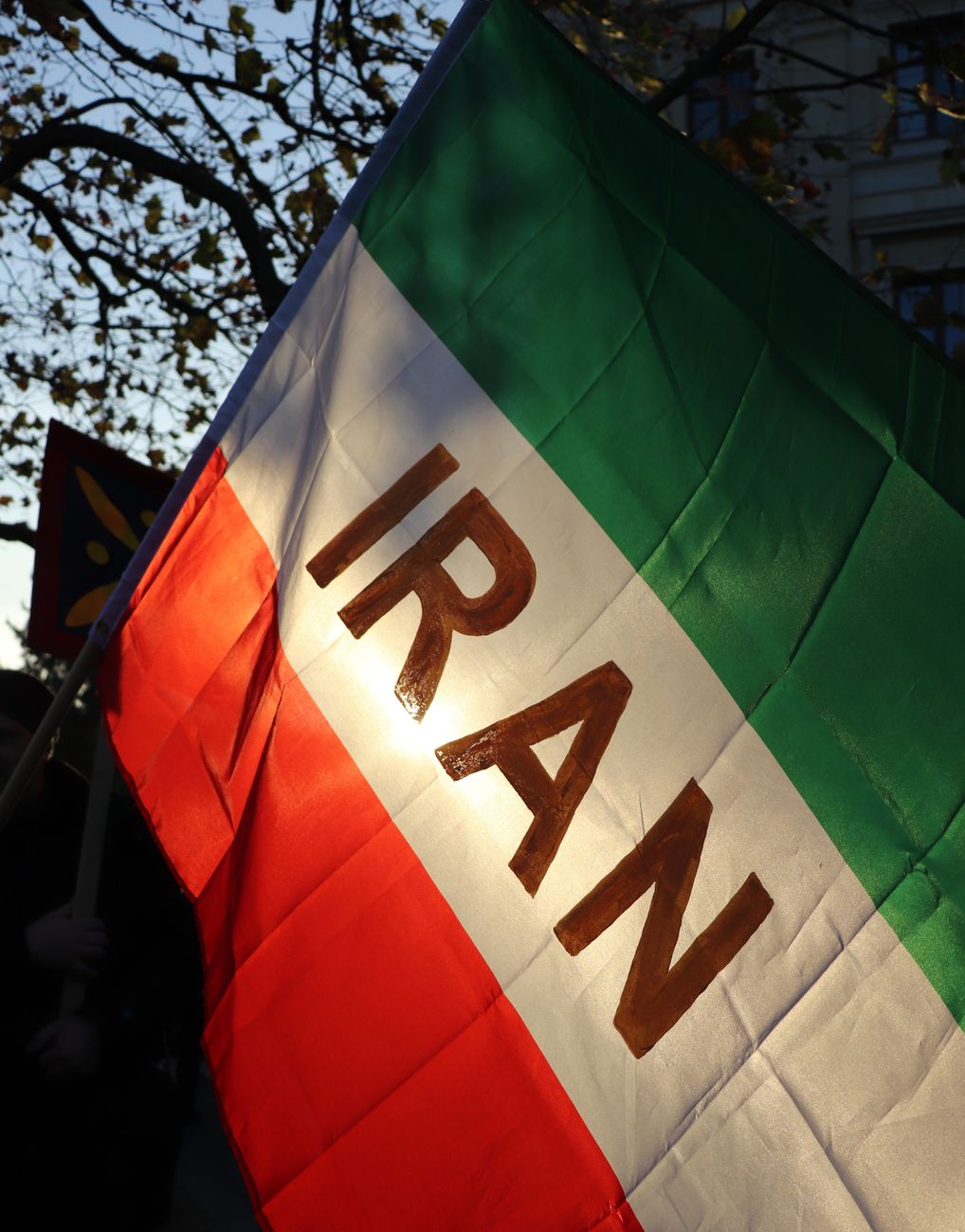
Let's not pretend this is just about Matar. The fatwa against Rushdie was official state policy in Iran. Khomeini issued it. Iranian state media still defends it. The current regime may distance itself from the rhetoric, but the bounty on Rushdie's head — reported to be in the millions — has never been retracted.
Matar didn't act alone in a vacuum. He acted in a culture that still celebrates the idea that a writer can be killed for words. That's the ugly truth we don't want to stare at.
Rushdie himself, now 79, testified at trial. He described the attack in clinical detail — the knife going through his eye, the severed nerves, the months of rehabilitation. He didn't ask for sympathy. He stated facts. That's what writers do.
The Chautauqua Paradox
There's something bitterly ironic about the setting. Chautauqua is a place where people go to discuss ideas — a summer retreat for lectures, debates, and the kind of civilized discourse that seems almost quaint in 2026. Rushdie was there to talk about protecting writers in exile. He was there to celebrate free expression.
And then a man with a knife showed up to prove that some words are worth killing for.
The attack was livestreamed. People watched in real time as a novelist bled on stage. The footage is still out there, a reminder that the internet giveth and the internet taketh away.
What Comes Next
Matar will be sentenced later this year. He could get life without parole. Or he could get a term that runs concurrent with his state sentence. The federal system doesn't have parole, so if the judge stacks them, Matar dies in prison.
But the real question is what this verdict does to the fatwa. Does it make Iran think twice before issuing the next one? Or does it just make the next Hadi Matar more careful?
Rushdie has been quiet since the verdict. His statement was brief: “I am grateful to the jury for seeing the truth.” He's back in New York, writing again. Because that's what he does.
The rest of us are left with a question that won't go away: If a novelist with a fatwa isn't safe at a literary festival in upstate New York, what chance does anyone have?
The answer is uncomfortable. But we should say it anyway.