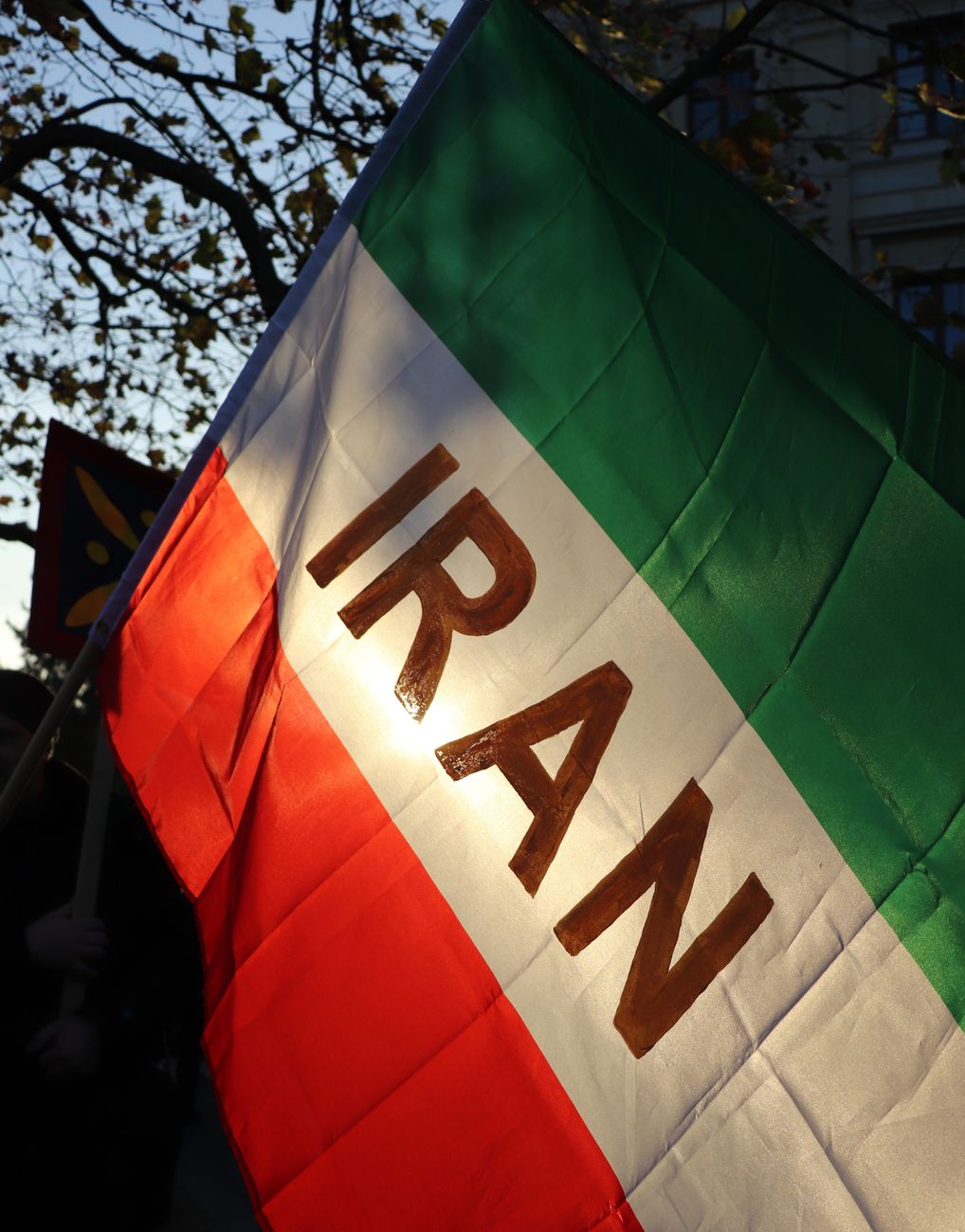
Brent crude shot up 1.5% Thursday, hitting $92.10 a barrel, after Iran warned it would respond to the latest round of U.S. airstrikes in the region. West Texas Intermediate followed, climbing 0.9% to $85.23. The market is doing what it always does when the drums of war beat louder: buying oil and asking questions later.
This isn't a drill. This is the same cycle we've seen before—Washington hits a target, Tehran promises vengeance, traders push prices higher, and the rest of us pay at the pump. The only question is how far this escalation goes before cooler heads—or a real conflict—decide the outcome.
Iran's Vague Threat, Very Real Market Impact
The Islamic Revolutionary Guard Corps released a statement early Thursday calling the U.S. strikes "a miscalculation" and vowing a "proportional response." That's diplomatic code for: we're going to hit something, probably soon, and you won't like it.
"Iran's response will be swift and decisive," said a senior Iranian military official, speaking on condition of anonymity. "The region will not forget this aggression."
Crude traders don't need specifics. They've seen this movie before. The Strait of Hormuz, through which about 20% of the world's oil passes, is once again in the crosshairs. Every time Iran threatens retaliation, the risk premium on oil jumps. It's a Pavlovian response—and it's costing the global economy billions.
The Numbers Behind the Panic
Let's be real: $92 Brent is not a record. We've seen higher. But the trajectory matters. Oil has risen nearly 12% in the past two weeks alone, driven entirely by geopolitical jitters. Demand hasn't surged. Supply hasn't cratered. The only variable is fear.
U.S. crude stockpiles actually rose by 2.1 million barrels last week, according to the Energy Information Administration. That should be bearish. But in this market, fundamentals take a backseat to headlines. Iran says "retaliation," and the algorithms buy first, think later.
The Biden administration, meanwhile, is walking a tightrope. It wants to project strength against Tehran without triggering a full-blown war that sends gasoline above $5 a gallon in an election year. So far, it's failing on both fronts. The strikes happened. The threats followed. And Americans are about to feel it at the pump.
What Retaliation Looks Like (and Why It Matters)
Iran has options. It could launch a cyberattack on Saudi Aramco or a U.S. military base in Iraq. It could mine the strait. Or it could green-light its proxies—Hezbollah, the Houthis, various Iraqi militias—to step up attacks on Israeli or American assets.
The worst-case scenario: a blockade or a direct strike on a tanker. That would send oil to $100 overnight. The best case: a lot of chest-thumping and a few missiles that land harmlessly in the desert. But markets price for the worst case, not the best.
"We are in the danger zone," said Helima Croft, head of commodity strategy at RBC Capital Markets. "Every escalation raises the probability of a supply disruption that actually matters."
The last time Iran threatened retaliation—after the killing of Qassem Soleimani in 2020—it fired missiles at U.S. bases in Iraq, and the world held its breath. That crisis fizzled without a major oil shock. But this time feels different. The U.S. strikes were not a targeted assassination but a sustained bombing campaign against Iranian-linked forces in Syria and Iraq. That's a wider net.
The Economic Ripple Effect
Higher oil prices are not an abstraction. They're a tax on everyone who drives, flies, or heats a home. In the U.S., the national average for a gallon of regular gasoline is already $3.78, up 22 cents from a month ago. If Brent hits $100, that number goes to $4.20 or higher.
For Europe, already reeling from energy costs tied to the Ukraine war, this is another body blow. The eurozone is barely growing. Higher oil means higher inflation, which means tighter monetary policy, which means slower growth. It's a feedback loop that nobody wants.
Emerging markets get crushed. India, which imports 85% of its oil, sees its trade deficit widen. Countries like Pakistan and Sri Lanka, already on the brink, get pushed closer to default. The oil shock is a regressive tax: it hits the poor hardest.
Who Wins in a Crisis?
Oil producers, obviously. Saudi Arabia and Russia are smiling. The Saudis have been cutting production for months to prop up prices. Now Washington is doing the work for them. Russia, despite sanctions, is selling its oil at a discount to Asian buyers, and every dollar Brent rises means more money for Putin's war machine.
U.S. shale producers also benefit. They've been cautious about drilling, returning cash to shareholders instead. But with prices this high, the temptation to ramp up production is real. The problem is that shale is not a spigot you can turn on overnight. Rig counts are rising, but slowly. Permitting is slow. Labor is tight. The era of easily adding 1 million barrels per day is over.
And then there are the speculators. Hedge funds have piled into crude futures, betting that the Iran situation will get worse before it gets better. According to the Commodity Futures Trading Commission, money managers increased their net long positions in WTI by 15% last week. They're betting on chaos—and so far, they're winning.
The Bottom Line
Oil prices are not going to calm down until Iran and the U.S. signal de-escalation. That could happen tomorrow. Or it could happen after a crisis that reshapes the global energy market.
History says that these spikes are often temporary. The market finds a way to adjust. Demand destruction kicks in at some point. But history also says that every major oil shock starts with a headline like this one. And we're still in the early innings.
The smart money is on volatility. The safe money is on hedging. For the rest of us, the only certainty is that your next fill-up is going to cost more. Iran's response hasn't even come yet. When it does, buckle up.