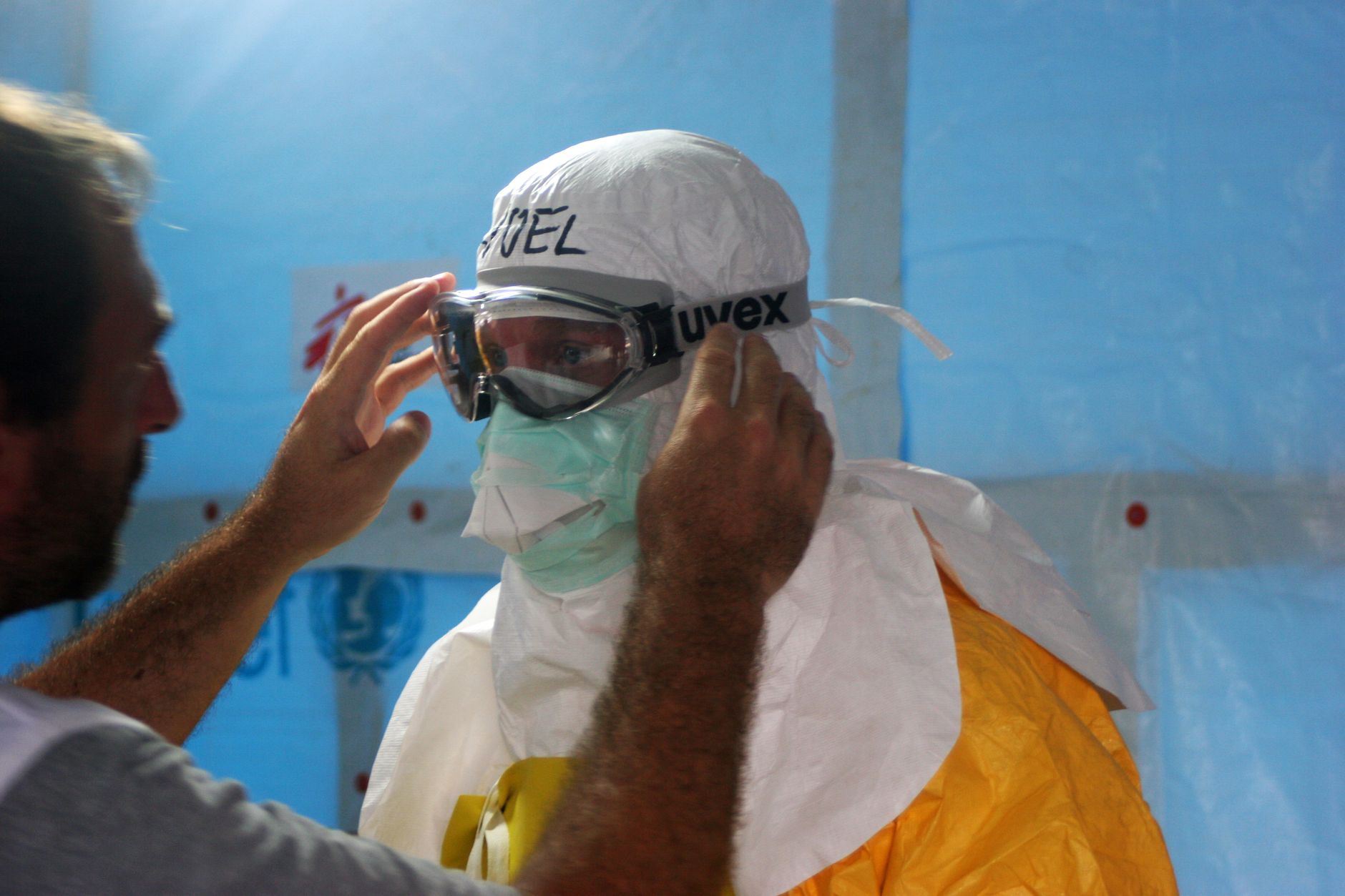
They didn't knock. They didn't ask. They just broke in and took their people back.
On Friday evening, in the dusty outskirts of Butembo, Democratic Republic of Congo, a mob of relatives stormed an Ebola treatment centre. Witnesses say around 30 people smashed through a flimsy gate, shoved past guards, and grabbed patients — some still hooked to IV drips — dragging them into waiting motorbikes and trucks. Within minutes, the centre was empty. The message was clear: We trust our families more than we trust you.
This isn't just a security breach. It's a verdict on a decade of failed trust-building, botched messaging, and the deep, festering suspicion that outsiders — doctors, NGOs, government officials — are not here to help, but to exploit.
The Siege That Wasn't Surprising
Let's be honest: anyone who's followed Congo's Ebola outbreaks saw this coming. Since the 2018-2020 epidemic that killed over 2,200 people, health workers have been attacked more than 300 times. Armed groups spread conspiracy theories. Local leaders accused international responders of profiting from the dead. And ordinary people? They watched their sick relatives taken behind cordons, never to be seen again.
“They told us they were going to cure them, but people kept dying,” said Mwamba Kasereka, a local shopkeeper whose cousin was taken from the same centre a week ago. “Now they want to take blood, they want to cut bodies. We are not animals.”
The anger isn't irrational. It's born from real failures. During the last outbreak, responders sometimes prioritized data collection over care. Burials were handled by strangers in hazmat suits who forbade traditional rites. Rumors spread that Ebola was a hoax, or a weapon, or a way to harvest organs. And every time a centre was attacked, the response was more security, more barriers, more distance.
The Numbers Game
Let's look at what's at stake. The World Health Organization reported 12 confirmed Ebola cases in North Kivu province this month, with 6 deaths. That's a 50% fatality rate — lower than the 67% average, but still terrifying. The current outbreak was declared on April 28, and since then, contact tracing has reached only 40% of known contacts. Vaccination campaigns have stalled because health workers can't access hot zones.
But here's the uncomfortable truth: even if every case were found and isolated, the real battle is for trust. And we're losing badly.
“Every attack on a health centre is a symptom of a deeper disease — the disease of mistrust. And no vaccine can cure that.” — Dr. Yves Mamba, Congolese epidemiologist (who asked not to be named for fear of reprisal)
When families storm a centre, they're not just taking their sick home. They're rejecting the entire framework of outbreak response. They're saying: your science doesn't speak to our reality. Your protocols ignore our culture. Your solutions come with strings attached.
What Happens Next
The patients who were removed are now back in their communities. They will likely infect others. The virus will spread. More people will die. And then what? Another lockdown. Another round of foreign experts flying in. Another set of hand-washing stations and thermometers. Another plea for “community engagement.”
But engagement is not a lecture series. It's not a town hall where officials talk and villagers nod. Real engagement means giving communities power: power to co-design treatment protocols, power to oversee burials, power to hold responders accountable. It means hiring local staff, paying them fairly, and listening when they say, “That won't work here.”
So far, the response has been predictable. The health ministry condemned the attack. The WHO promised to strengthen security. The governor of North Kivu imposed a curfew. All of it misses the point.
The point is that you can't treat people like passive recipients of aid and expect them to cooperate. You can't helicopter in with protocols written in Geneva and demand compliance. You can't separate children from parents, forbid last rites, and then act surprised when families riot.
There's a better way, and it's been sitting under our noses. In Guinea, during the 2021 Ebola outbreak, local leaders were put in charge of community surveillance. Traditional healers were integrated into the response. Burials were adapted to allow family participation. Trust rose. Cases fell. It worked.
But that approach takes time, humility, and a willingness to share power — three things that international health bureaucracies lack.
So here we are. A centre emptied. A virus unleashed. And a question that won't go away: whose fault is it, really?
The families who stormed the gate? Or the system that made them feel they had no other choice?