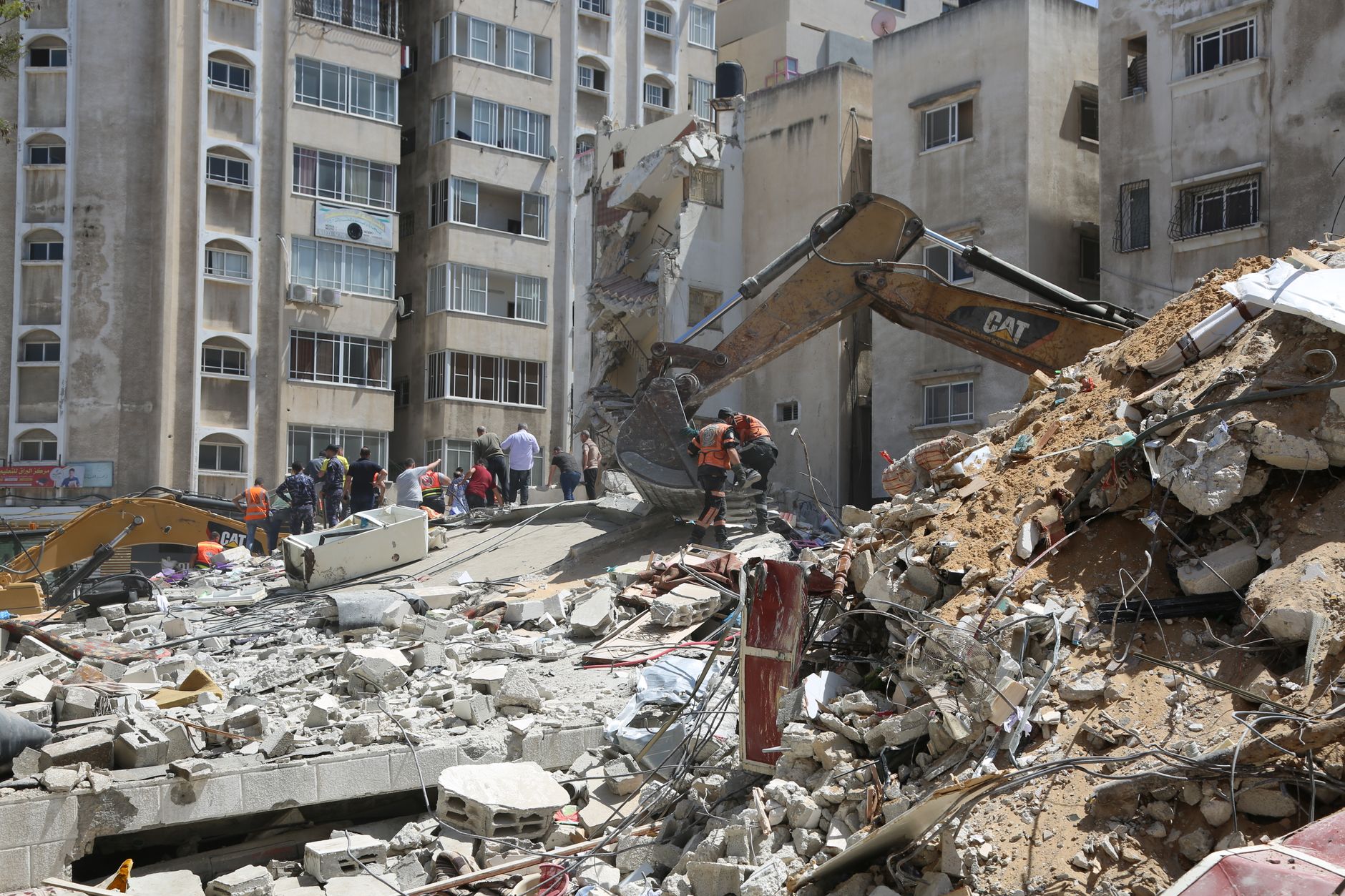
The first bomb fell at 2:17 a.m. local time, according to residents. By dawn, three apartment blocks in southern Beirut had been reduced to rubble. Israel said it was targeting Hezbollah weapons caches. What it also targeted—perhaps deliberately—was the fragile framework of a US-Iran understanding that had been taking shape in back-channel talks for months.
Let's be clear: this isn't about whether Hezbollah deserved the strikes. You can argue that all day. What matters is the timing. The bombs landed just as American and Iranian negotiators were finalizing what was being called a “framework for regional de-escalation.” A deal that would have frozen Iran's nuclear program, lifted sanctions, and—most critically—established a mutual restraint pact covering proxies from Yemen to Lebanon.
That deal is now dead. Maybe not officially. Diplomats will keep talking. But the trust required to make it work? Vaporized. You don't sign a non-aggression pact with someone whose ally is leveling your ally's neighborhoods.
The Deal That Never Was
The outlines of the prospective deal were leaked to the press weeks ago. Iran would cap enrichment at 3.67 percent. The US would unfreeze $6 billion in Iranian assets. Both sides would commit to “discouraging” their regional partners from escalating. It was a handshake, not a treaty—precisely the kind of flexible arrangement that might survive a crisis. Or so the optimists thought.
“Israel just handed Iran a veto over any future US-brokered peace. Why would Tehran trust Washington to restrain anyone?”
The deal's fatal flaw was always its dependence on the fiction that Washington can control Israel. The Biden administration insisted it could. Israeli Prime Minister Benjamin Netanyahu—facing corruption trials and a restive coalition—had every reason to prove otherwise. By bombing Beirut, he sent a message: I set the pace in this region, not you.
What Tehran Sees
From Iran's perspective, the calculus is brutal. They were offered a deal that required them to restrain Hezbollah, their most valuable proxy. In return, they'd get sanctions relief and a promise that the US would keep Israel in check. Now Israel has bombed Hezbollah's backyard, and Washington's response is a statement urging “restraint on all sides.”
Tehran's hawks—and there are plenty—will point to this as proof that engagement with America is a fool's game. The pragmatic faction that pushed for negotiations will lose face. The likely outcome: Iran accelerates enrichment, hardens its positions, and tells its proxies to do whatever the hell they want.
Already, whispers from Iranian diplomats suggest they're demanding new terms: a complete halt to Israeli strikes on Iranian-linked targets, verified by international monitors, before any signature. That's a poison pill. Israel will never agree. The deal is effectively dead.
The Regional Dominoes
The bombing doesn't just affect US-Iran talks. It sends a shockwave through every conflict in the region. Yemen's Houthis—who had been observing a tacit ceasefire—may see this as a green light to resume attacks on Saudi oil infrastructure. Iraqi Shia militias are already calling for strikes on US bases. The Golan Heights could see rocket fire within days.
And then there's Lebanon itself. Hezbollah's credibility rests on its ability to retaliate. If it does nothing, it looks weak. If it launches rockets into Israel, we get a war that could draw in Iran and the US. The smart money says Hezbollah will respond with a measured strike—maybe targeting an Israeli patrol near the border—to restore deterrence without triggering all-out conflict. But “measured” is a word that loses meaning when bodies start piling up.
The American Dilemma
Washington is now stuck between a bad option and a worse one. It can condemn Israel loudly and risk alienating a key ally—and the pro-Israel lobby in an election year. Or it can stay quiet and watch the Iran deal collapse, handing Tehran a propaganda victory. The administration's initial response—a tepid call for calm—suggests it's choosing the latter, hoping the crisis will blow over.
It won't. Every day that passes without a ceasefire in Lebanon is a day the Iran deal slips further away. And without that deal, the region returns to the status quo ante: creeping escalation, periodic crises, and the constant threat of a war nobody wants.
The Only Question Left
So can the US-Iran deal survive? The honest answer is no—not in its current form. The framework is shattered. What might emerge instead is a much narrower agreement: a prisoner swap, perhaps, or a temporary freeze on enrichment. But the grand bargain, the one that promised to reshape the Middle East, is gone.
The real question, then, is what replaces it. A return to the maximum pressure campaign of the Trump years? A cold war that occasionally goes hot? Or something worse—a nuclear Iran and an emboldened Israel acting as the region's unchecked sheriff.
We'll find out soon enough. The bombs have fallen. The deal is dust. And the men in Washington who thought they could manage this crisis? They're learning a hard lesson: in the Middle East, peace is always the first casualty.