The oil market just got a double shot of adrenaline. Brent crude snapped its losing streak on Friday, vaulting higher as fighting erupted in southern Lebanon and the Strait of Hormuz stayed partially blocked. Traders who'd been betting on a glut are now scrambling for cover.
Brent futures jumped 3.2% to $84.70 a barrel by midday in London, reversing a two-day decline. The trigger? Hezbollah rockets slamming into Israeli positions near the border, and a tanker backlog at Hormuz that shows no sign of clearing.
Lebanon's powder keg reignites
The Israel-Lebanon frontier has been quiet for months. That changed Thursday night when a cross-border raid by Hezbollah killed three Israeli soldiers. Israel responded with artillery and airstrikes, hitting targets deep inside Lebanese territory. By morning, the UN peacekeeping force was reporting heavy exchanges of fire.
This isn't 2006 — not yet. But the market doesn't wait for history to repeat itself. Every flare-up in the Levant sends a jolt through crude prices because traders know how fast it can escalate. Lebanon has no oil, but it sits next to the Eastern Mediterranean gas fields. More importantly, it's a proxy battlefield for Iran. And Iran controls the Strait of Hormuz.
“The market is pricing in a 15% chance of a wider conflict that disrupts Iranian exports,” said Helima Croft, head of commodity strategy at RBC Capital Markets. “That's up from 5% a week ago.”
Hormuz: the bottleneck that won't quit
Meanwhile, the world's most critical oil chokepoint remains partially paralyzed. Two oil tankers and one LNG carrier crossed the strait on Thursday — the first vessels to transit since an unidentified drone strike damaged an Iranian oil terminal on June 12. But traffic is a trickle compared to the normal flow of 17 million barrels per day.
The US Navy said it's conducting mine-sweeping operations and escorting commercial ships, but hasn't guaranteed safe passage. Iran's Revolutionary Guard has warned foreign navies to stay out, raising the risk of a direct confrontation.
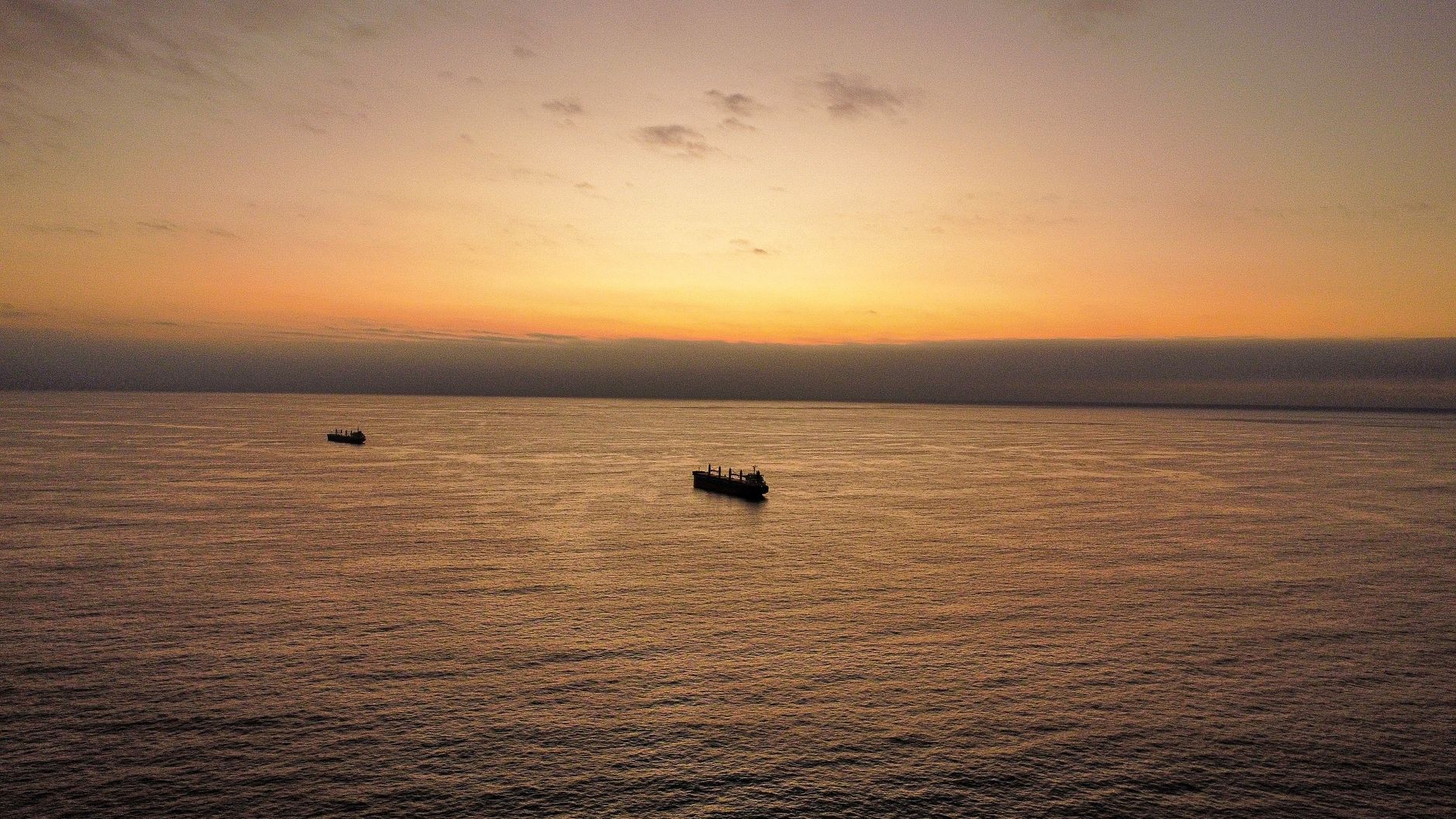
Ship-tracking data shows at least 40 tankers anchored off the coast of Oman, waiting for permission to enter the Persian Gulf. Some have been waiting for over a week. The demurrage costs are piling up, and so are the insurance premiums. War risk premiums for vessels entering the Gulf have quadrupled since the attack.
The supply picture gets ugly
Before this week, the oil market was looking at a comfortable surplus. OPEC+ was planning to unwind its production cuts. US shale was ramping up. Demand growth was slowing in China. Then Hormuz hiccupped and Lebanon lit up.
The math is brutal. If Hormuz remains partially blocked for another week, the market loses 10 million barrels of daily supply. If it's fully blocked — say, because of a mine or a direct attack — that number jumps to 17 million. For perspective, the global market consumed about 102 million barrels per day in May.
“We're one bad headline away from $100 oil,” warned Bob McNally, president of Rapidan Energy Group and a former White House official. “And we're getting those headlines every day now.”
Goldman calls for $90 Brent by July
Goldman Sachs revised its short-term forecast Friday, saying Brent could hit $90 by the end of July if the Hormuz disruption persists. The bank had earlier predicted a slide to $75. Now it's telling clients to hedge against geopolitical risk.
Other analysts are more cautious. They note that strategic petroleum reserves are still ample — the US SPR alone holds 350 million barrels. And OPEC+ has spare capacity of roughly 6 million barrels per day, mostly in Saudi Arabia and the UAE. But getting that oil to market takes time, and it assumes the Saudis are willing to flood the market while their arch-rival Iran is under siege.
“The Saudis may not want to help,” said Ellen Wald, author of “Saudi, Inc.” “They've been burned before by using spare capacity to calm markets, only to see prices fall and their revenues crater. This time they might let prices run.”
What happens next?
Two things to watch: First, whether the Lebanon fighting escalates into a full-blown ground incursion. Israel has massed troops near the border, and its defense minister hinted at a possible operation to push Hezbollah away from the fence. Second, whether Iran retaliates for the drone strike — or if the US and Iran can agree on a de-escalation deal.
There are whispers of back-channel talks between Washington and Tehran, brokered by Oman. Neither side has confirmed. But the fact that the first tankers crossed Hormuz without incident suggests some coordination.
Still, the market doesn't trust whispers. It trades on what it can see: burning rockets, stationary tankers, and a map that keeps getting redrawn with red lines.
Oil is up. And it's likely going higher. The only question is how high — and whether the global economy can take the heat.