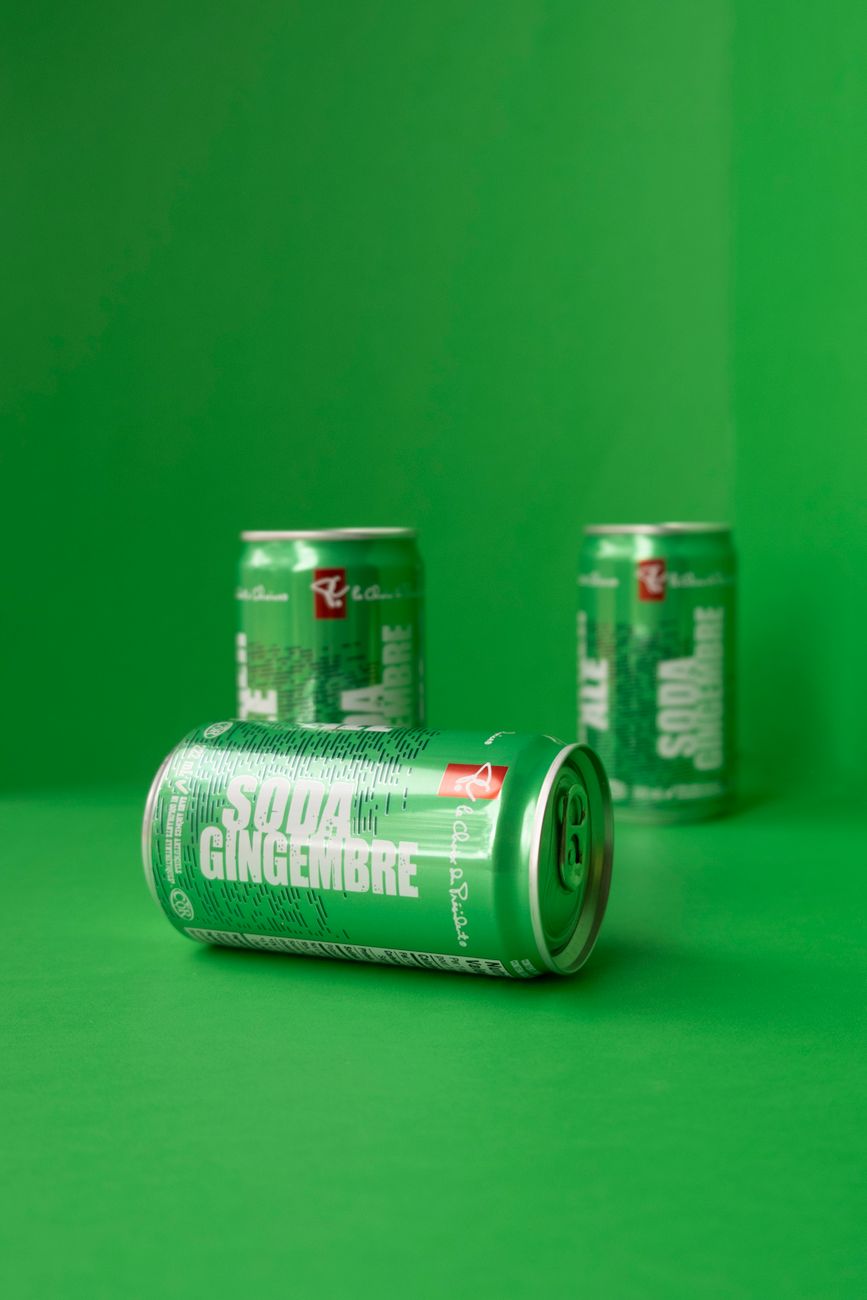
This is war. The battlefield: your grocery cart. The weapon: SNAP restrictions.
Six states now limit what food stamp recipients can buy. No soda. No candy. No processed junk. And the food giants are watching their wallets shrink as shoppers pivot to real food.
Why This Matters to Everyone, Not Just SNAP Users
SNAP isn't some niche program. It's a $100 billion behemoth that feeds one in eight Americans. When the government tells those 42 million people they can't buy Doritos or Mountain Dew, the entire food industry feels it.
"Every SNAP dollar that moves from a soda to a vegetable is a dollar lost for Coke and a dollar gained for Dole."
Maine, Kentucky, and Michigan just joined the club. More states are drafting bills. The trend line is clear: the era of taxpayer-funded junk food is ending.
What's Actually Changing?
The new rules are simple but brutal. SNAP benefits can't buy items with added sugar, high sodium, or certain artificial ingredients. That wipes out 90% of the center aisles. Gatorade? Gone. Oreos? Gone. Even some yogurts fail the test.
But here's the kicker: the restrictions don't just affect SNAP users. Retailers hate managing two sets of checkout rules. So many chains are simplifying by pulling restricted items from all SNAP-eligible transactions. That means cash-paying customers also face a reduced junk-food selection.
"We're seeing a trickle-down effect," says Sarah Jenkins, a retail analyst at Nielsen. "Stores don't want the complexity. If it's banned for SNAP, they often stop stocking it altogether."
The Winners and Losers
PepsiCo, Coca-Cola, and Mondelez are the obvious losers. SNAP accounts for roughly 8% of their U.S. sales. A 20% drop in that channel means billions in revenue at risk. Their lobbying machines are cranking up, but the political winds have shifted.
"The public health argument is winning," says Dr. Mark Hyman, a nutrition advocate. "These companies spent decades hooking low-income families on sugar. Now the bill is due."
The winners? Fresh produce suppliers, dairy farmers, and lean protein producers. Retailers like Walmart and Kroger are expanding their fresh sections, betting that SNAP restrictions become the norm.
The Hidden Taxpayer Impact
Here's the part nobody's talking about: SNAP restrictions might save money. A study from Harvard estimates that food-stamp-funded junk food costs Medicare and Medicaid an extra $3 billion annually in diabetes and heart disease treatments. Cutting the junk could reduce that burden.
But critics argue the restrictions are paternalistic. "SNAP recipients are adults," says John Burns, a policy analyst at the Cato Institute. "They can make their own choices. The government shouldn't dictate what they eat."
That argument might hold water if the program wasn't funded by taxpayers. When your money is on the line, a little oversight isn't tyranny — it's common sense.
What This Means for Your Cart
If you live in a state with restrictions, expect to see fewer impulse-buy displays at the register. Expect higher prices on fresh produce as demand spikes. Expect more "healthier choice" store brands.
And if you're a soda drinker, enjoy that 12-pack while you can. The political momentum is real. California, New York, and Illinois are considering similar rules. If they pass, the SNAP junk-food ban will cover 40% of the U.S. population.
Food companies know this. They're already reformulating products to slip under the sugar and sodium thresholds. But changing a recipe to please a government checklist rarely tastes the same.
The bottom line: SNAP restrictions aren't a fad. They're a fork in the road. One path leads to healthier Americans and a reshaped food industry. The other leads to a political backlash against Big Food's last taxpayer subsidy.
I know which path I'd bet on. The only question is how fast the food giants can adapt — or if they'll fight this change until their last can of soda fizzles out.