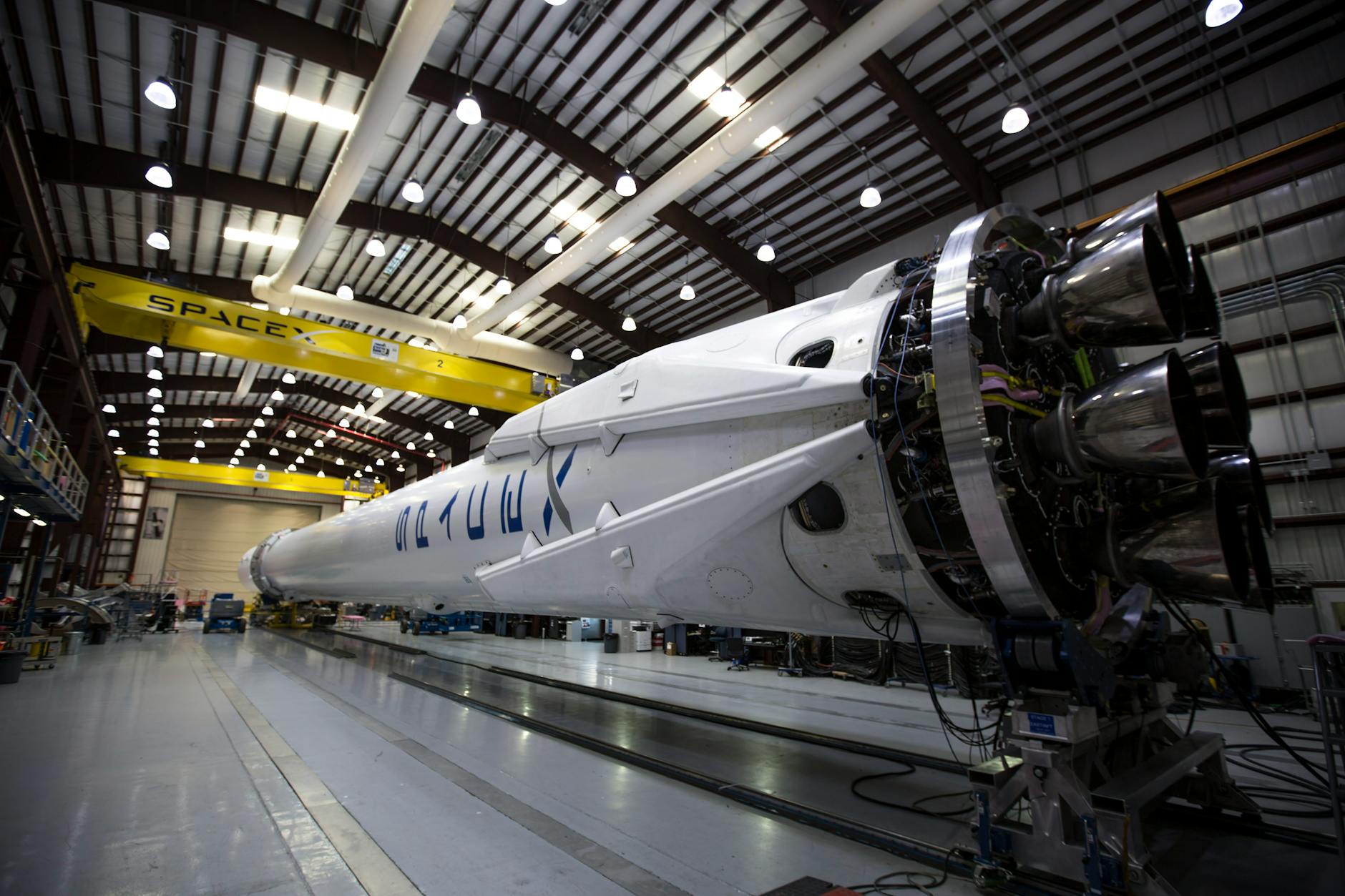
The check cleared before the champagne went flat. Less than two weeks after its IPO, SpaceX just raised $25 billion in a debt sale — and the real number that matters is the $90 billion in orders that showed up at the door. That's not demand. That's a stampede.
For context: $25 billion is more than most countries borrow in a year. SpaceX isn't a country. It's a rocket company that hasn't even put boots on Mars yet. But Wall Street, apparently, doesn't care. They see Elon Musk, they see a monopoly on launch, they see Starlink, and they throw money like it's confetti at a parade.
What $25 Billion Buys
SpaceX didn't just ask for a loan. They offered debt — bonds, likely, with some kicker to make lenders drool. The $90 billion in bids suggests investors were practically begging for a piece. That's a signal. When you get 3.6x oversubscribed on a $25 billion debt deal, you're not just a company. You're a financial black hole that sucks in capital and spits out ambition.
The timing is the kicker. The IPO was supposed to be the big event. Retail investors scrambled for shares. The underwriters patted themselves on the back. And then, eleven days later, SpaceX turns around and pulls in another $25 billion in debt. It's like throwing a wedding and then announcing you're adopting triplets on the honeymoon.
"They didn't need the money. They took it because they could." — Anonymous banker who worked the deal
That's the thing about SpaceX. They're not like other companies that raise capital because they're bleeding cash. SpaceX has been profitable for years. Starlink alone is generating billions in revenue. The launch business is a cash machine. This debt sale wasn't survival. It was dominance.
Why $90 Billion in Orders?
Let's break down that $90 billion number. That's more than the market cap of Boeing. It's more than the GDP of half the countries in the UN. And every single dollar of it was a request to lend money to a company that could, theoretically, blow up a rocket next week.
But that's the beauty of SpaceX's position. They've got the only ride to space that isn't Russian or Chinese. They've got a satellite internet service that's connecting the unconnected and making bank. They've got NASA contracts, military contracts, and a waiting list of customers who will pay anything to get their payloads into orbit.
Investors see that and think: this is the closest thing to a license to print money since the invention of the printing press. The risk? Minimal. The upside? Limitless. So they bid $90 billion.
The IPO Was Just a Foot in the Door
Remember the IPO hype? It was big. SpaceX debuted at a valuation north of $500 billion. Shares popped. Everyone felt smart. But the IPO was never the endgame. It was a tool. A way to get public currency to use for acquisitions, for compensation, for leverage. The real prize was always the debt market.
Debt is cheaper than equity. It doesn't dilute shareholders. And when you have a credit rating that's basically AAA because you're Elon Musk's baby, you can borrow at rates that make other CEOs weep. SpaceX's debt sale likely priced at some premium over Treasuries, but with that order book, they could have asked for anything and gotten it.
Now, the question is what they do with the cash. Mars? Sure, eventually. But more likely: R&D on Starship, expanding Starlink's constellation, maybe a few strategic acquisitions. SpaceX is playing chess while the rest of the aerospace industry is still trying to figure out how the pieces move.
What This Means for Everyone Else
For competitors like Blue Origin, ULA, and Rocket Lab, this is a punch to the gut. SpaceX just proved it can raise more money in a week than most of them will see in a decade. And they didn't even need it. That's the scary part. They're stockpiling capital like a doomsday prepper, except the apocalypse is just more success.
For the bond market, this is a signal that high-yield, high-growth companies are still the darlings. Even with interest rates higher than they were a few years ago, investors are willing to lend to SpaceX at terms that would make a bank blush. It's a vote of confidence in the private sector's ability to push boundaries.
For the rest of us? It's a reminder that the space race isn't between countries anymore. It's between a handful of private companies, and one of them just lapped the field.
The Bottom Line
SpaceX raised $25 billion because they can. The $90 billion in orders is just the market shouting, "We believe." Whether that belief is justified or just another bubble waiting to pop is a question for later. Right now, Elon Musk is sitting on a pile of cash that would make Scrooge McDuck jealous, and he's got plans.
The IPO was the appetizer. The debt sale is the main course. And dessert? That's Mars. Or the moon. Or whatever else he decides to conquer next. Don't bet against him.