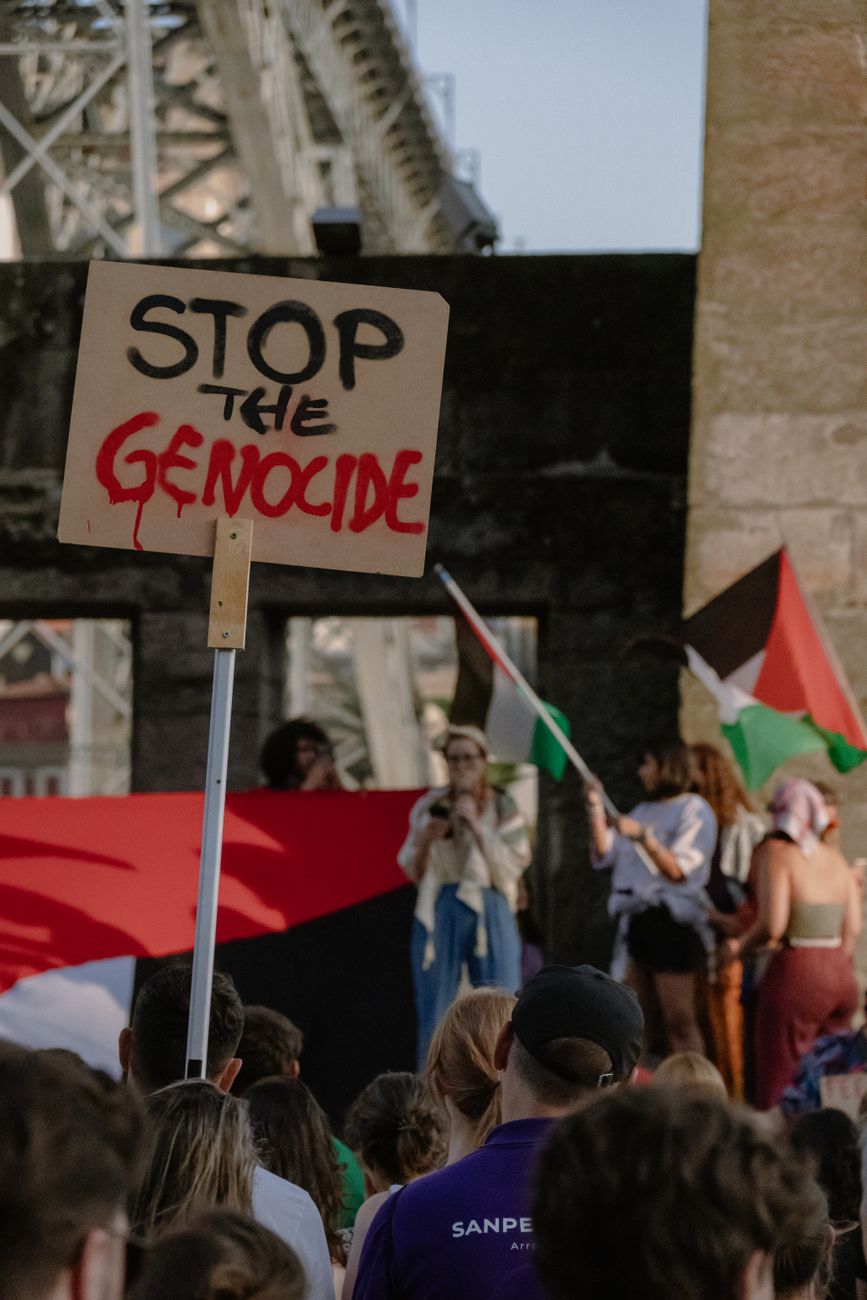
The man stood alone on the sidewalk, a few meters from the armored gate of the Israeli Embassy in Tokyo. He raised his voice. ‘Stop genocide,’ he yelled, his words swallowed by the hum of city traffic.
For a moment, nothing. Then, from nowhere, they came. A dozen Tokyo Metropolitan Police officers swarmed him, their movements practiced and swift. Within seconds, he was surrounded, his arms pinned, his voice cut short. No charges were announced. No explanation given.
One voice, many questions
Monday’s incident, caught on phone cameras and shared widely, is a snapshot of something larger. Japan prides itself on order. But at what cost? The activist—his name not yet released—did not carry a weapon. He held no sign. He simply shouted. And that, apparently, was enough.
This isn’t a story about geopolitics alone. It’s about the space for dissent in a country where harmony is the highest virtue. Japan’s Public Security Bureau, which handles political protests, has broad powers. The law allows police to intervene if they deem a protest ‘likely to disturb public order.’ That bar is low. Very low.
‘In Japan, the crime is often the noise itself. The message is irrelevant.’ — Masako Tanaka, human rights lawyer
Tokyo has seen its share of protests—against nuclear power, against US bases, against COVID restrictions. But each time, the response is the same: containment, not engagement. The police don’t argue. They act.
The embassy, the war, the echo
The Israeli Embassy in Tokyo is a fortress of glass and concrete, set back from the street. It has been a flashpoint since the Gaza war escalated in 2023. Pro-Palestinian groups have held vigils outside. A handful of solitary protesters have come and gone. But this was different—a sudden, loud confrontation that broke the script.
Israel’s ambassador to Japan, Gilad Cohen, declined to comment. The embassy issued a statement thanking Japanese authorities for ‘ensuring the safety of diplomatic premises.’ No mention of the man or his words.
But his words matter. ‘Stop genocide’—a phrase that has become a global rallying cry. In Japan, where the word ‘genocide’ is rarely used in mainstream discourse, it lands like a bomb. The government has maintained a careful balance: supporting Israel’s right to self-defense while calling for restraint. But the streets tell a different story.
A culture of quiet
Japan’s protest culture is unique. Large demonstrations are rare. When they happen, they are choreographed: permits obtained, routes pre-approved, speeches planned. Spontaneity is seen as disruption. The activist on Monday broke the rules. He didn't ask permission. He just shouted.
‘That’s not how we do things here,’ said Yoshida Kenji, a retired police superintendent, in an interview. ‘If everyone just shouted whenever they wanted, there would be chaos.’
Perhaps. But chaos can be clarifying. The incident has sparked debate online—not about Gaza, but about freedom of speech in Japan. ‘He was just yelling. That’s not a crime,’ one comment read. Another: ‘He got what he deserved. If you want to protest, do it properly.’ The split reveals a nation uneasy with its own identity.
What happens next?
The man was released after a few hours, no charges filed. But the message was sent. In Tokyo, even a shout has limits. The question lingers: how many more will test them?
This is a small story—one man, one shout, one embassy. But it’s also a mirror. Japan wants to be a global leader, a beacon of democracy in Asia. But democracy isn’t just voting. It’s the right to be loud, to be rude, to be inconvenient. And sometimes, it’s just the right to say ‘stop’ before they stop you.