They came back by bus, by foot, by any means they could find. In 2025, nearly 15 million displaced people returned to their countries of origin — the largest surge of returns the UN has ever recorded. After years of war, famine, and despair, something shifted. Or maybe people just got tired of waiting.
The numbers are staggering. Since records began, the UN High Commissioner for Refugees has tracked returns, but never like this. In 2024, just over 8 million went home. The 2025 figure nearly doubled. Syria, Afghanistan, South Sudan, and Myanmar accounted for the bulk. But the stories behind the statistics — those are the ones that stick.
‘No Future in Exile’
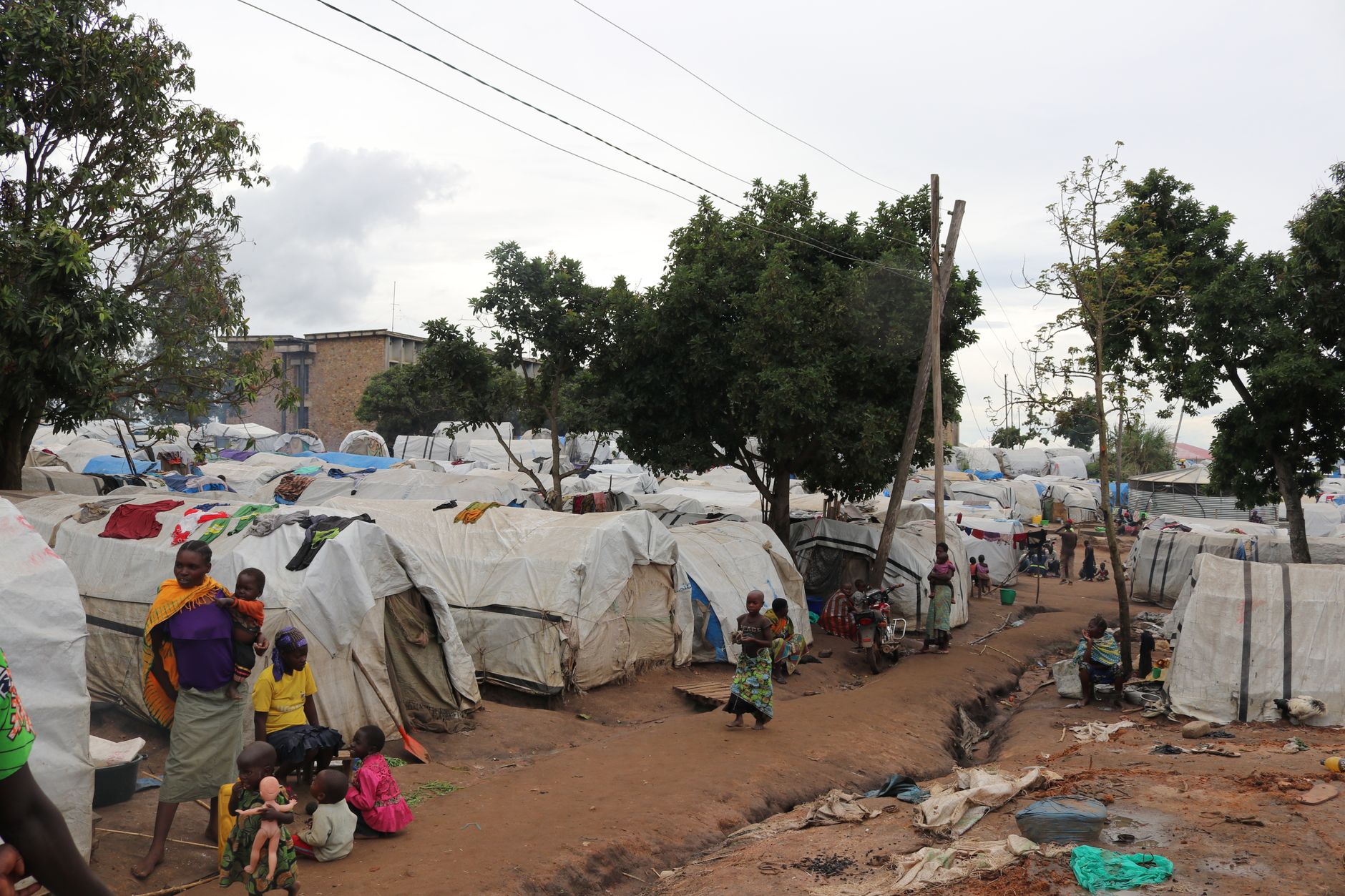
Fatima al-Hassan spent seven years in a refugee camp in Jordan. She fled Aleppo in 2018, when barrel bombs turned her neighborhood to dust. The camp was safe, but it was a cage. Her children grew up knowing only tents and handouts.
“We tasted the horrors of war, but we also tasted the bitterness of waiting. In the camp, you are alive, but you are not living. So we came back.”
She returned to Aleppo last June. The city is still scarred, but markets are open. Her husband found work as a mechanic. The oldest daughter enrolled in school. It’s not easy, she says, but it’s theirs.
The Return Calculus
Why now? The UN report points to several factors. Ceasefires held in key conflict zones. Some governments offered amnesty or land grants. Host countries tightened asylum policies, making life harder for refugees. Push and pull — but mostly push.
In Afghanistan, the Taliban’s takeover in 2021 sent millions fleeing. By 2025, many decided the risks at home were smaller than the risks in Iran or Pakistan. Deportations from Pakistan alone forced hundreds of thousands back. Some returned to villages that no longer existed. Others walked into a country still crippled by sanctions and drought.
Ahmad Nawaz, a 34-year-old former translator, came back to Kabul in March. He’d spent four years in Pakistan, working illegally. “I had no papers, no rights. My son was beaten by police. In Afghanistan, at least we are among our own.” He now drives a taxi. It’s dangerous. But so was everything else.
Syria: The Complicated Homecoming
Syria saw the largest number of returns: over 4 million. The Assad government, with Russian and Iranian backing, regained control of most territory. The regime offered amnesty to some, but not all. Returnees faced conscription, surveillance, and a shattered economy.
Layla Khoury, a former English teacher from Homs, returned after six years in Lebanon. She found her apartment occupied by strangers. “They said they bought it from the government. I had no papers to prove it was mine.” She now lives with her sister’s family in a single room. Inflation has wiped out her savings. But she says she’d rather starve at home than beg abroad.
“People think returning is the happy ending. It’s not. It’s the beginning of another struggle.”
The Ones Who Can’t Go Back
For every 15 million who returned, another 10 million were displaced in 2025. The UN figures show a world still in motion. War in Ukraine, ethnic cleansing in Myanmar, climate disasters in the Horn of Africa — the churn continues. Returns are not a sign of peace; they are a sign of desperation.
In South Sudan, civl war has eased, but the country is littered with landmines. Hunger is endemic. Yet 1.2 million people went back last year. Many were driven by drought in Uganda and Kenya, where refugee camps could no longer feed them. They chose bombs over starvation.
One returnee, a young mother named Nyibol, walked 300 kilometers with her two children. She crossed the border into South Sudan just as fighting flared in a disputed region. She lost her youngest on the road — the child died of dehydration. She buried him under a tree and kept walking. “I had no choice,” she told a UN worker. “There was no choice.”
What the Numbers Don’t Tell
The 15 million figure is a triumph of data collection, but it’s a tragedy of human experience. The UN counts anyone who returned for at least a night. Many go back only to leave again. A survey found that nearly 40% of returnees in Syria were considering re-displacement within a year. Home is a place, but it’s also a feeling. And that feeling is hard to rebuild.
The international community has pledged billions for reintegration. Cash grants, housing, job training. Most of it hasn’t arrived. In the meantime, returnees live in tents on their old land, hoping the rains come, hoping the checkpoints are quiet, hoping the future is less cruel than the past.
This is the story of the record surge. Not a happy homecoming. A desperate gamble. A bet that the horrors of home are slightly less horrifying than the horrors of exile. And for 15 million people, that bet was the only one they could afford to make.