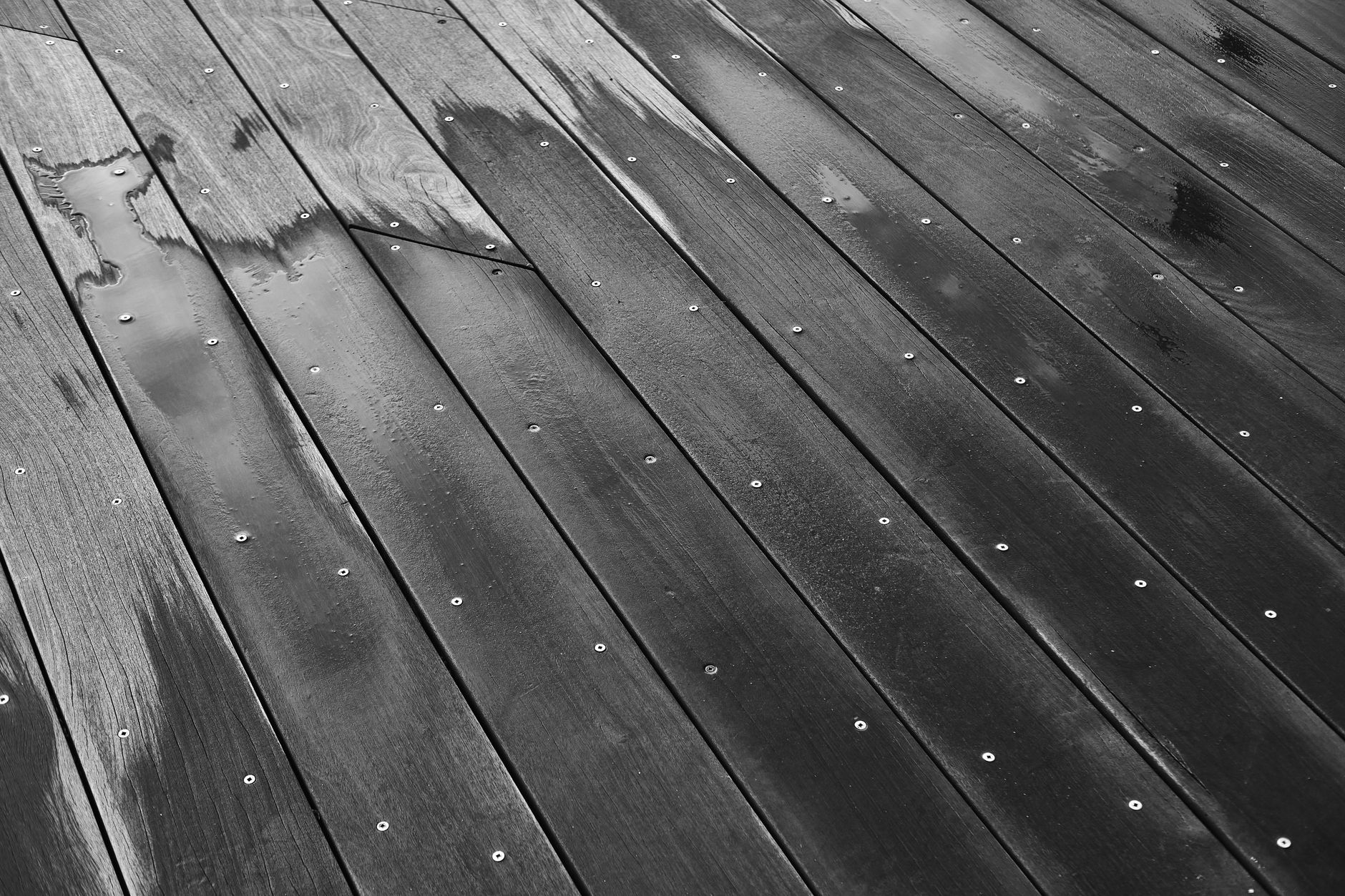
The first thing you notice is the heat. A ghostly ring, pale and cruel, burned into the wood where she set down her mug. You didn’t see it until after she left. That’s the part that stings.
“What drives me crazy is that she didn’t mention it,” one friend confessed after a guest left white ghost rings all over a walnut dining table. Another friend found a deep dark scorch mark under a hot plate. The guest said nothing. The damage was discovered hours later, in the quiet aftermath.
You want to say something. You also don’t want to be the person who texts a Venmo request for a $200 refinishing job. Welcome to the etiquette of ruined furniture.
First, Check Your Anger
The heat mark is a scar. But it’s not malice. Most people don’t realize a hot mug can stain wood. They think coasters are optional. They’re wrong.
Before you send that message, ask yourself: Was this an accident or negligence? Accidents happen. Negligence — like ignoring a wet glass on a bare table — is different. If the guest was careless, you have a right to ask. If they were clueless, you might want to teach, not punish.
The Conversation You’re Dreading
Here’s the script. Keep it simple. No drama.
“Hey, I noticed after you left that there are some heat marks on the dining table. I’m not upset, but I’d like to get it fixed. Would you be willing to split the cost?”
That’s it. No passive aggression. No “you ruined my table.” Frame it as a problem to solve together. Most people will say yes. If they say no, you’ve learned something about them.
The Cost Factor
Refinishing a table can run $200 to $600. A DIY heat mark removal with an iron and a towel might cost you an hour and a bruise to your pride. If the damage is light, try the iron method first. If that fails, call a pro and send the guest the quote.
But here’s the hard truth: If the guest is a close friend, the friendship might be worth more than the repair. You can choose to let it go. Or you can choose to ask and risk the awkwardness. There’s no wrong answer — only a cost-benefit analysis.
What the Experts Say
Etiquette coaches say you should speak up. The longer you stay quiet, the more resentment builds. “The guest should have offered to pay immediately,” says one consultant. “Since they didn’t, you have to be the adult.”
Woodworkers agree: heat marks are often reversible. A little steam and pressure can lift the moisture trapped in the finish. But if the finish is shellac or lacquer, the damage might be permanent. In that case, the ask becomes more urgent.
The Verdict
You’re not wrong for wanting compensation. You’re not wrong for staying silent. But the worst option is to say nothing and seethe. That poison spreads.
Next time, put coasters out before anyone sits down. And maybe don’t invite that person back until they learn that tables aren’t trivets.