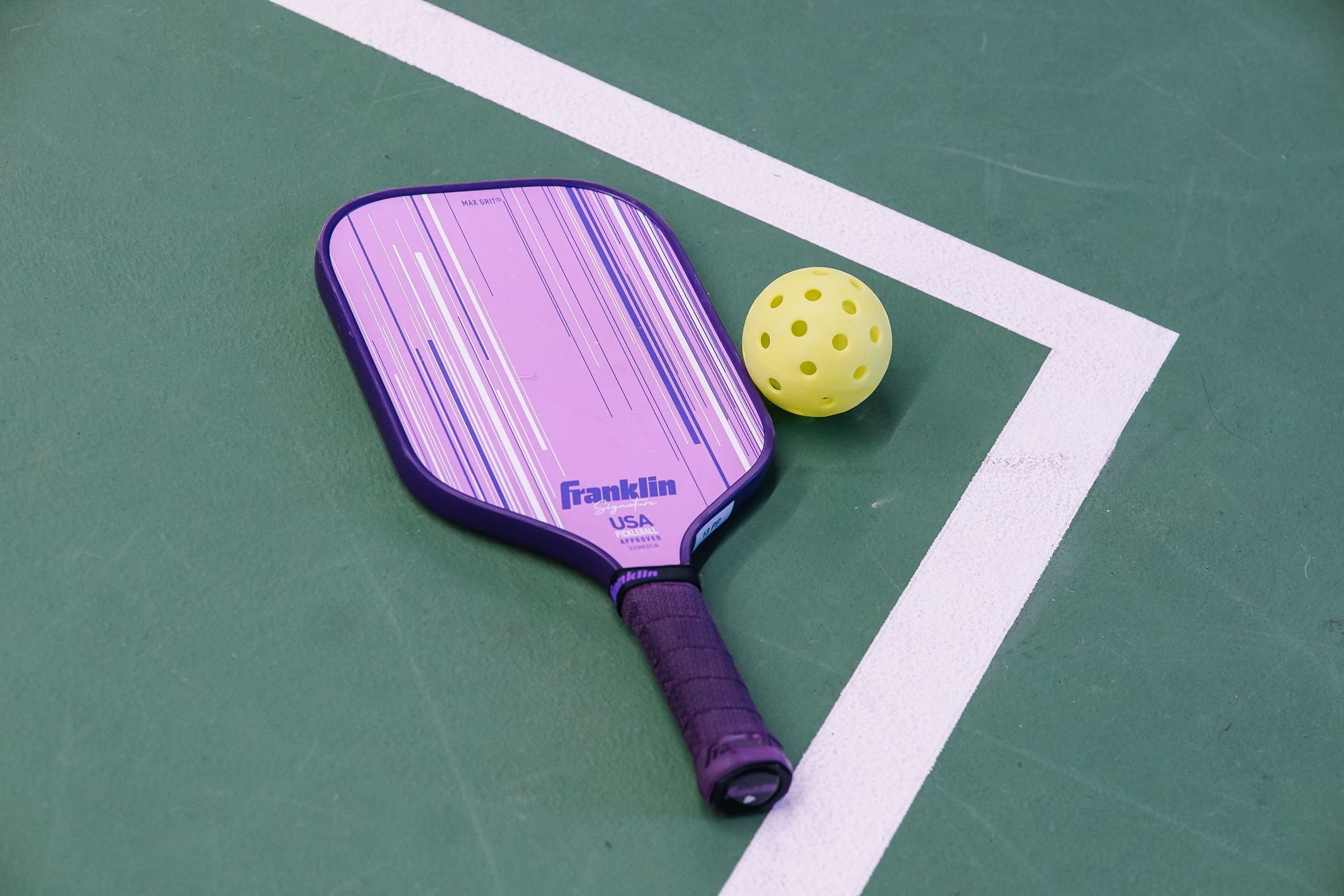
The first time I saw a pickleball court attached to a restaurant, I laughed. Then I ordered a burger, watched a 60-year-old in knee braces absolutely demolish a twentysomething in a corporate team-building exercise, and realized something had shifted. We're not just eating out anymore. We're dining, drinking, and dinking — all at once.
Pickleball, the sport that somehow combines tennis, ping-pong, and a midlife crisis, isn't just the fastest-growing game in America. It's become the centerpiece of a new 'eatertainment' boom. Restaurants, breweries, and even shopping malls are ripping out parking lots and installing courts, betting that a pickleball paddle is the new reservation hotline. The question is whether this is a sustainable business model or just another overhyped trend destined for the scrapheap of culinary fads.
The Great Court Gold Rush
Walk into any new 'social club' from Austin to Tampa, and you'll see the same formula: a sprawling outdoor space, a bar serving craft cocktails, and a half-dozen pickleball courts humming with the plastic thwack of the ball. The pitch is simple — come for the game, stay for the food. It's a retail mashup that's drawing venture capital like a magnet.
Chicken N Pickle, a Kansas City-based chain, has been a pioneer. They've got locations in multiple states, each with a full-service restaurant, a rooftop bar, and enough courts to host tournaments. Then there's Pickle Social Club in Boston, which boasts indoor and outdoor courts plus a food hall. Dallas' Puttery — a high-end mini-golf concept — has now branded itself as a 'modern social club' with pickleball. Even mega-corporations are sniffing around. Topgolf, the driving range giant that turned golf into a drinking game, has been testing pickleball concepts. They see the numbers, and the numbers are absurd.
The Sports & Fitness Industry Association says pickleball participation has grown by over 150% in the last few years. It now has more than 8.9 million players in the US. That's up from just over 3 million in 2019. The demographic is the dream: affluent, active, and willing to spend. The average player's household income hovers around $100,000, and they're not afraid to drop cash on a post-game meal and a few rounds of craft beer.
No wonder restaurants want in. The National Restaurant Association's annual 'What's Hot' survey — the culinary industry's version of the weather forecast — now lists 'pickleball dining' as a top trend. Chefs are designing menus around 'paddle-friendly' food: sliders, tacos, and anything you can eat with one hand while holding a paddle in the other. It's genius. It's terrifying. It's America.
The Grand Slam of Dining
But here's the dirty secret: this isn't really about the sport. It's about occupancy. Restaurants have razor-thin margins, and the lunch rush and dinner rush rarely fill the hours in between. Pickleball fills those gaps. Games last 15-20 minutes, so people cycle through the courts all day. Courts turn over, and that means a constant stream of potential diners. The average guest spends nearly three hours at a pickleball-social venue, versus the typical 45 minutes at a standard restaurant.
That math is what's fueling the explosion. You're not just selling a meal; you're selling an experience, a story, and a reason to linger. And in an era where experiences are the new luxury, that's gold.
But let's not get carried away. The hype cycle has a way of burning bright and burning fast. Remember the trampoline park restaurants? The ax-throwing bars? The murder-mystery dinner theaters that were supposed to revolutionize nightlife? Most are ghost towns now. Pickleball could easily join that graveyard if operators don't get the fundamentals right.
The Fad That Could Flip
Here's the problem: the barrier to entry is high. A single court can cost $50,000 to build, not including the land. Land is expensive. So are permits, insurance, and the constant maintenance of the court surface. If the trend fizzles — say, because Gen Z gets bored and moves on to the next TikTok-famous hobby — these venues are stuck with enormous sunk costs and no way to pivot.
There's also a fundamental tension between sport and dining. Serious players don't want to wait for a table between games. Serious diners don't want to hear the pop of plastic balls during their anniversary dinner. The two crowds don't always mix. A few venues have already discovered this the hard way, shuttering their doors within a year of opening.
Consider the case of a well-funded pickleball club in Denver that closed after just eight months. The food was good, the courts were pristine, but the owner admitted in a local interview that they hadn't accounted for the cost of staffing both the kitchen and the courts. It's a double business — you need line cooks and court monitors, bartenders and referees. It's a staffing nightmare, and in a labor market where you can't find a dishwasher, that's a recipe for disaster.
The Endgame: Play, Eat, Repeat
So, is this the future of dining or a fad that will fade? Here's my take: the 'eatertainment' trend overall is here to stay. The desire to combine leisure and consumption isn't new. But the specific incarnation of pickleball may be more volatile. It depends on whether operators can evolve beyond the novelty.
Look at what Topgolf did for golf. They created a model that works even for people who've never swung a club in their life. Pickleball has the same potential — it's easy to learn, social, and genuinely fun. But Topgolf succeeded because it didn't require a steep learning curve. Pickleball is easy, but it still requires a paddle and a bit of hand-eye coordination. Not everyone wants to sweat in front of strangers while they eat.
That's why some venues are hedging their bets. They're building pickleball courts alongside bocce, shuffleboard, and even cornhole. They're turning themselves into 'social playgrounds' rather than pickleball-specific meccas. That's a smart play. It diversifies the appeal and spreads the risk.
You're not just selling a meal; you're selling an experience, a story, and a reason to linger.
The next wave will likely be more sophisticated, integrating technology — think court-side ordering via QR codes, apps to reserve time slots, and dynamic pricing for peak hours. Some are even exploring virtual reality elements to keep the experience fresh.
At the end of the day, the question isn't whether pickleball dining is a good idea — the numbers say it can be. The question is whether the entrepreneurs behind it have the stomach for a long game. The restaurants that treat pickleball as a quick revenue boost are doomed. The ones that see it as a way to build community, to create a third place between work and home, those might just survive.
I've seen this movie before. In the 1990s, it was the bowling alley restaurant revival. In the 2000s, it was the upscale video arcade with gourmet grilled cheese. Each one had its moment, and most faded when the novelty wore off. But a few stuck because they understood that the real product isn't the activity — it's the feeling of belonging.
So, will pickleball courts replace your local bistro? No. But will they become a staple of suburban entertainment districts? Maybe. The coming years will test the staying power of this paddle-powered phenomenon. And I, for one, will be watching from the bar, paddle in hand, ready to place my next bet.