Eight films entered the room. One walked out. On a humid Friday in Manila, the Film Academy of the Philippines tapped Rafael Manuel's Filipiñana to carry the country's flag into the 99th Academy Awards. The shortlist was stacked, the arguments were loud, and the choice — a quiet, corrosive drama set on a golf course — is the closest the Philippines has come to a genuine Oscar threat since Norte, Hangganan ng Kasaysayan got snubbed in 2014.
What the hell is a 'Filipiñana'?
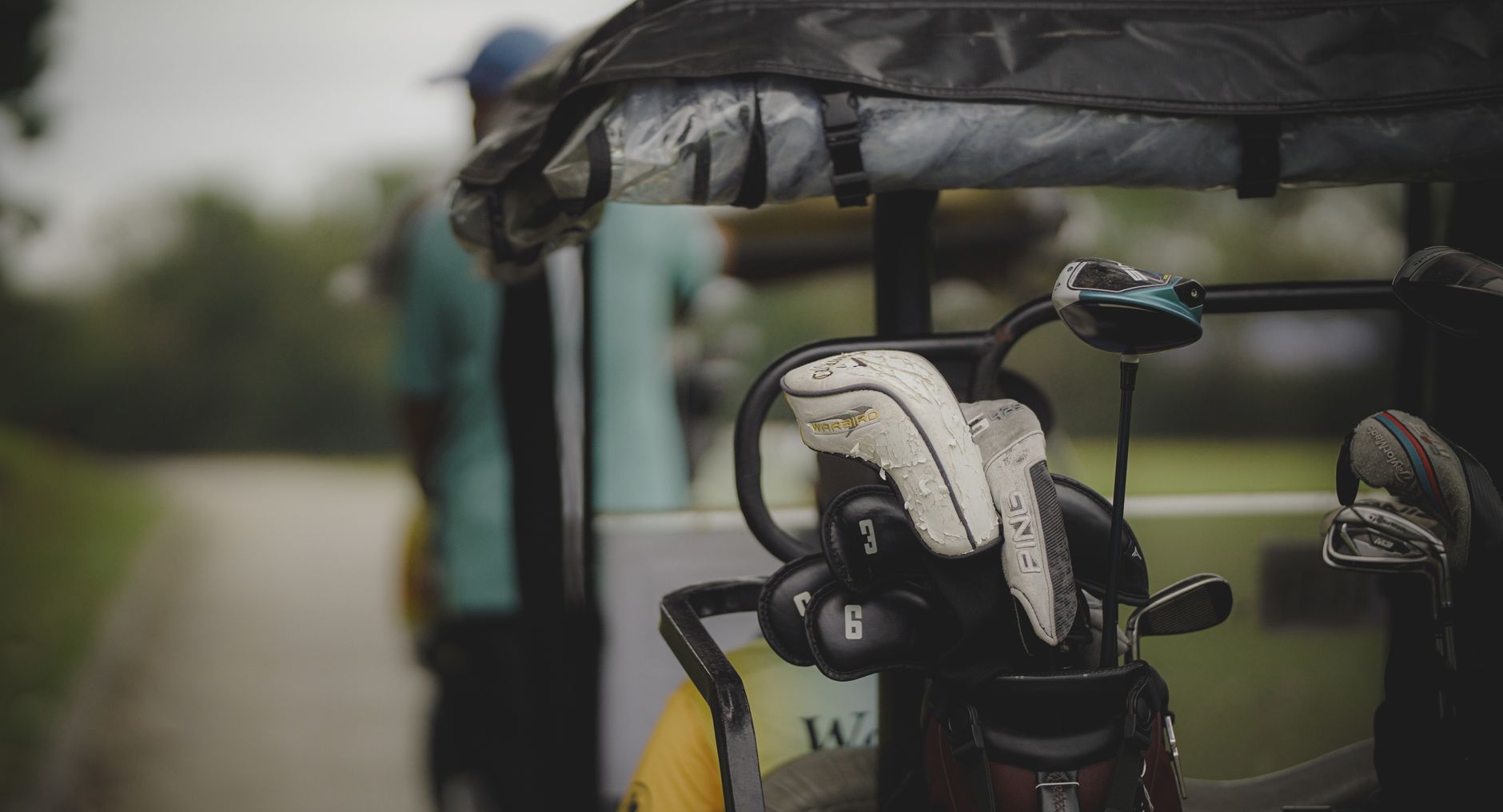
Picture this: a luxury golf resort carved into the Philippine countryside. Caddies in matching uniforms. Foreign members barking orders. And a young woman — the caddy — who has learned that the fastest way to survive is to smile, nod, and disappear into the manicured grass. That's the film. Not a single car chase. No exploding helicopters. Just the slow violence of servitude, rendered in long takes and a sound design that makes the silence feel like a held breath.
Manuel wrote and directed it. He's not a household name — not yet — but he's been circling this story for years, and Kino Lorber picked it up for distribution, which matters. Richard Lorber, the company's chairman, has a nose for films that critics adore and audiences ignore until they win something. He's betting Filipiñana won't be ignored.
"A caddy knows the terrain better than the member. She just isn't allowed to say so." — a line from the film that doubles as a thesis statement for the whole country.
The shortlist was a bloodbath
Eight films. I've seen three of them. Two were worthy. One was a mess. But the academy went with the one that refuses to flatter anybody — not the audience, not the West, not even the Philippines itself. That takes nerve. The country's film industry has spent decades oscillating between escapist rom-coms and poverty porn designed to make European festival programmers weep into their espressos. Filipiñana does neither. It's a class critique wrapped in a caddy's uniform, and it never once begs you to like it.
That's the gamble. Oscar voters in the international category love a noble struggle. They also love a film that makes them feel like they've discovered something raw and unpolished. Filipiñana is polished to a mirror shine, which might actually hurt it. The academy has a type: shaky cameras, natural light, at least one scene of someone crying in a rice paddy. This film is too controlled for that. Too precise. It might sail right past the voters who need to be told what to feel.
Why this matters more than a trophy
Let's be blunt. The Philippines has never won this category. It's been submitting films since 1956, and the closest it got was a shortlist spot that went nowhere. Meanwhile, South Korea broke through with Parasite, Japan keeps getting nominations, and even Indonesia has crept into the conversation. The Philippines — a country of 110 million people with one of the most vital independent film scenes in Asia — keeps getting left at the door.
Part of that is distribution. Part of it is politics. Part of it is the simple fact that Filipino cinema is often too specific for foreign voters who want their foreign films to be universal. Filipiñana is specific as hell. It's about golf. It's about the way rich people treat the help. It's about a country that exports its workers and then wonders why they don't come home.
If it gets nominated, it won't just be a win for Manuel. It'll be a crack in the ceiling for every Filipino filmmaker who's been told their stories are too small, too local, too weird for the global stage.
The Kino Lorber factor
Here's the part nobody talks about: Oscar campaigns cost money. Real money. Screeners, parties, ads in Variety, someone flying to Los Angeles to shake hands with the right publicist. Kino Lorber isn't a major studio, but they've run smart campaigns before — they got Drive My Car into the conversation, and they know how to sell a slow-burn drama to voters who'd rather watch something with subtitles and a body count.
Lorber's involvement tells me two things. First, he thinks this film can go the distance. Second, he's willing to spend to prove it. That's more than most Philippine entries have ever had. Usually, the country's Oscar submission gets a press release and a prayer. This time, it's getting a strategy.
The real question: will anyone watch it?
That's the ugly truth about the international feature race. Most voters don't watch all the submissions. They watch the ones with buzz, the ones with a distributor pushing hard, the ones that already won something at Cannes or Venice or Telluride. Filipiñana hasn't won those prizes. It's not a festival darling yet. It's a film with a great poster and a distributor who believes in it.
But here's what I keep coming back to: the movie is good. Not good-for-a-Filipino-film good. Just good. It's the kind of film that makes you angry in the right way, that makes you want to argue with the person sitting next to you, that makes you notice the caddy the next time you play golf — if you're the kind of person who plays golf. The academy doesn't always reward that. But when it does, it's because someone fought for it.
Rafael Manuel just got handed the fight. Now we see if he can land a punch.
The bottom line
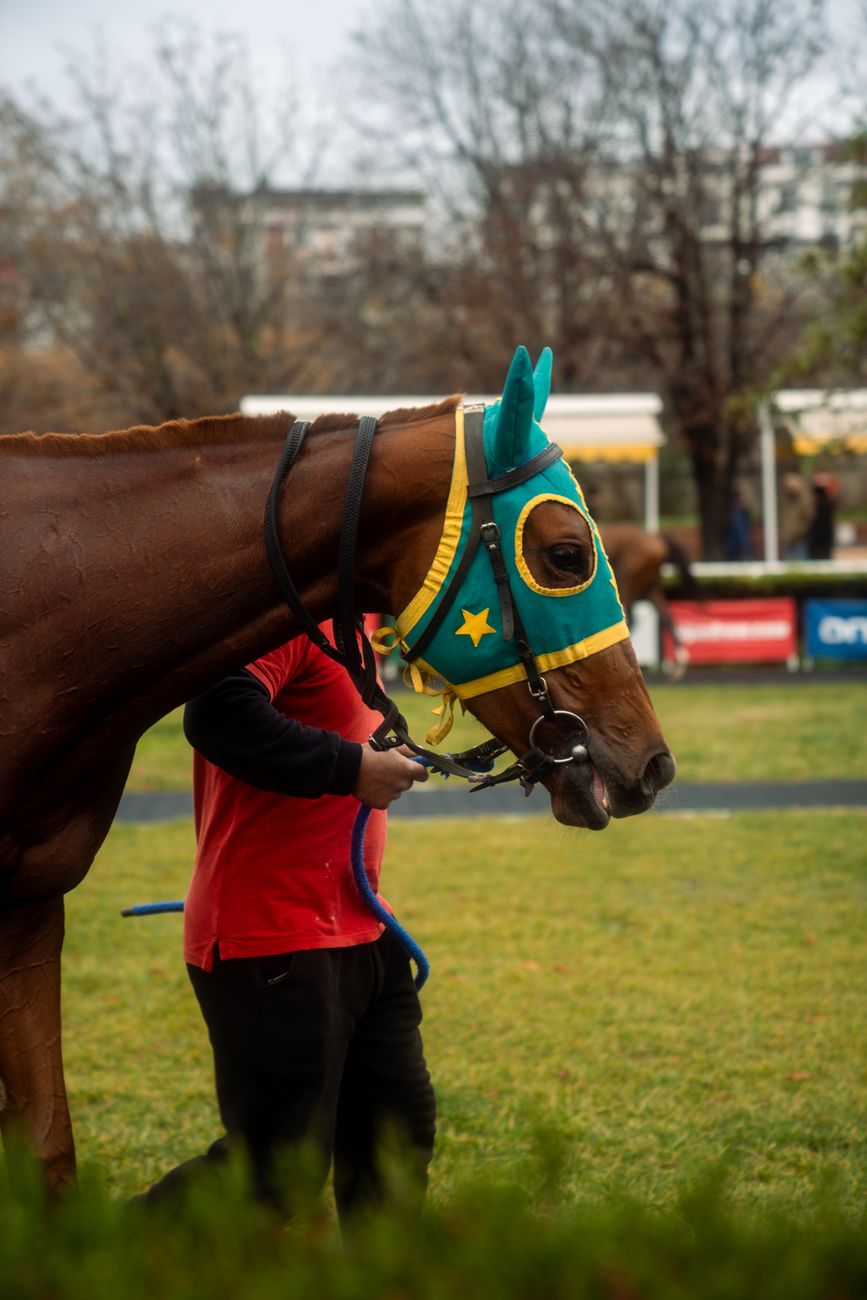
The Philippines has a horse in this race. A real one. Not a sentimental pick, not a diversity checkbox, but a film that deserves to be seen by people who've never set foot in Manila. Whether it gets nominated depends on a campaign that hasn't happened yet, voters who don't know Manuel's name, and a distributor willing to spend real money on a movie about a golf caddy.
Stranger things have happened. Parasite won Best Picture. A film about a Korean family infiltrating a rich household. If that can happen, a film about a Filipino caddy infiltrating a golf resort can at least get a nomination.
At least. That's the word. At least.