Here's a sentence I never thought I'd type: the Trump administration has decided that the best way to win the AI arms race is to poison the people living next to the power plants that feed it.
On Thursday, a group of former Environmental Protection Agency officials held a briefing to deliver a report that should terrify anyone with a functioning respiratory system. The White House is rolling back pollution rules for data centers—and the fossil fuel plants that keep them humming—under the guise of "speeding up construction." The officials called it what it is: a health crisis with a government stamp of approval.
And here's the part that sticks in your throat: nobody voted for this. You voted for cheaper electricity, maybe. You voted for American tech dominance, possibly. You did not vote for asthma rates in northern Virginia to spike because some lobbyist convinced a president that emissions rules are a bureaucratic nuisance.
The Regulatory Blind Spot Nobody Wants to Name
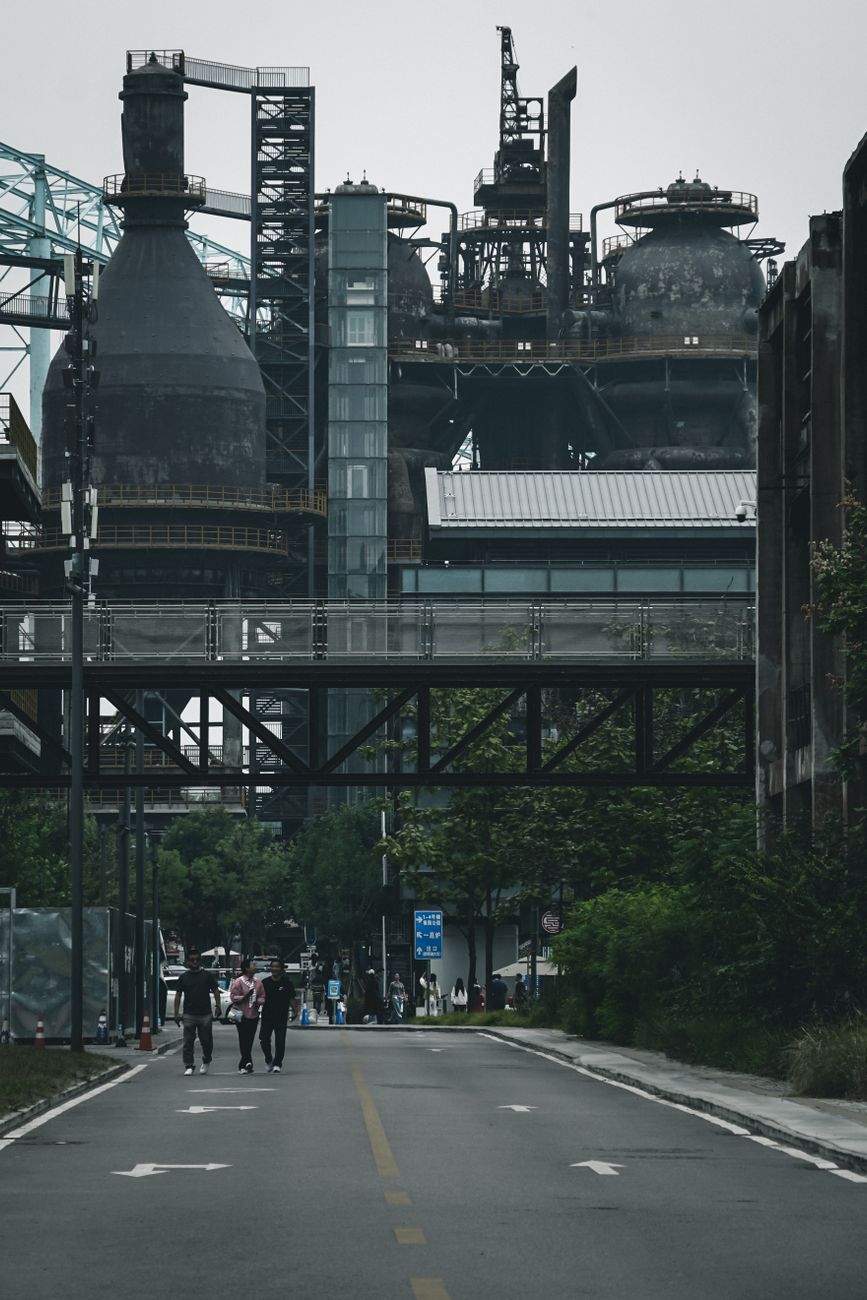
Data centers are the new steel mills. They suck up staggering amounts of electricity—one hyperscale facility can draw as much power as 80,000 homes—and that power has to come from somewhere. Natural gas plants. Coal plants that were supposed to be retired. Diesel backup generators that kick on during peak demand and belch particulate matter into the air like it's 1974.
Under normal circumstances, the EPA would regulate those emissions. The Clean Air Act wasn't written for giggles. But the Trump administration has carved out what amounts to a categorical exemption for AI infrastructure, arguing that environmental reviews are slowing down the great American algorithm race against China.
"They're treating data centers like they're national security assets, which means they get a pass on the very rules that keep children out of emergency rooms," one former EPA official said during the briefing. "It's not deregulation. It's a protection racket for Big Tech and Big Energy."
That's not hyperbole. The report details how the administration has fast-tracked permits for gas-fired power plants in Pennsylvania, Ohio, and Texas—plants that will operate primarily to feed server farms. In some cases, the plants are being approved without the standard air quality modeling that would show downwind impacts on nearby communities.
The Communities Getting the Shaft
Who lives downwind? Not the venture capitalists in Palo Alto. Not the AI researchers in Manhattan. The people who get the exhaust are the same ones who always do: working-class towns that lost their manufacturing base and were promised that data centers would bring jobs.
Loudoun County, Virginia—the epicenter of the data center boom—already has more than 25 million square feet of server space. The county's asthma rates have climbed steadily over the past decade. Coincidence? Maybe. But when you stack enough coincidences next to each other, they start looking like a pattern.
The report cites internal EPA estimates that the rollback could lead to thousands of additional premature deaths annually by 2035. The administration has dismissed those numbers as "worst-case modeling" and "bureaucratic alarmism." Because nothing says "America First" like telling a widow in Ohio that her husband's heart attack was a necessary cost of staying ahead of China in large language models.
The AI Boom Is a Fossil Fuel Boom in Disguise
Let's be honest about what's happening here. The AI revolution was sold as a clean, weightless future—all code and cloud, no smokestacks. That was always a lie. Every ChatGPT query burns electricity. Every image generated by DALL-E runs through a server farm that needs constant cooling and constant power. The cloud isn't in the sky. It's in a warehouse in Virginia, and it's connected to a gas plant that's pumping nitrogen oxides into the air.
The Trump administration isn't just ignoring that reality. It's accelerating it. By exempting data centers from environmental review, it's guaranteeing that the next decade of AI growth will be powered by the dirtiest energy sources available—because they're the fastest to build and the least regulated.
The former EPA officials are asking the president to reconsider. They want a moratorium on the rollback, a return to standard permitting, and a recognition that national security and public health aren't mutually exclusive.
They'll be ignored. The AI lobby is too powerful, the campaign donations too large, and the political incentive to "beat China" too irresistible. But here's what the officials know and the administration won't admit: you can't have a thriving tech sector in a country where people can't breathe.
Eventually, the bill comes due. It always does. And when it does, it won't be paid by the companies building the data centers. It'll be paid by the families living next to them.
What Happens When the Air Becomes a Luxury Good
There's a grim irony here. The same administration that's rolling back pollution rules is also promising to "Make America Healthy Again." You can't do both. You can't deregulate the sources of asthma and then claim you care about chronic disease. You can't fast-track coal plants and pretend you're fighting for the working class.
The former EPA officials know this. They've spent their careers watching the same playbook: weaken the rules, let industry self-regulate, wait for the body count, then blame the victims for living in the wrong ZIP code.
What's different this time is the scale. AI data centers are projected to consume 9% of U.S. electricity by 2030—up from 2% today. That's a tripling of demand in less than a decade, and the administration is making sure that demand gets met with the cheapest, dirtiest power available.
So here's the question nobody in Washington wants to answer: if the AI boom requires sacrificing the health of American communities, is it worth it? The administration has already decided. The rest of us are just waiting to see how bad the air gets.
And if you think this doesn't affect you because you live far from a data center, give it five years. The boom is spreading. The pollution is spreading. The regulatory rollback is spreading. The only thing not spreading is the ability to do anything about it.
That's not a policy failure. That's a choice. And the people who made it will never have to live with the consequences.