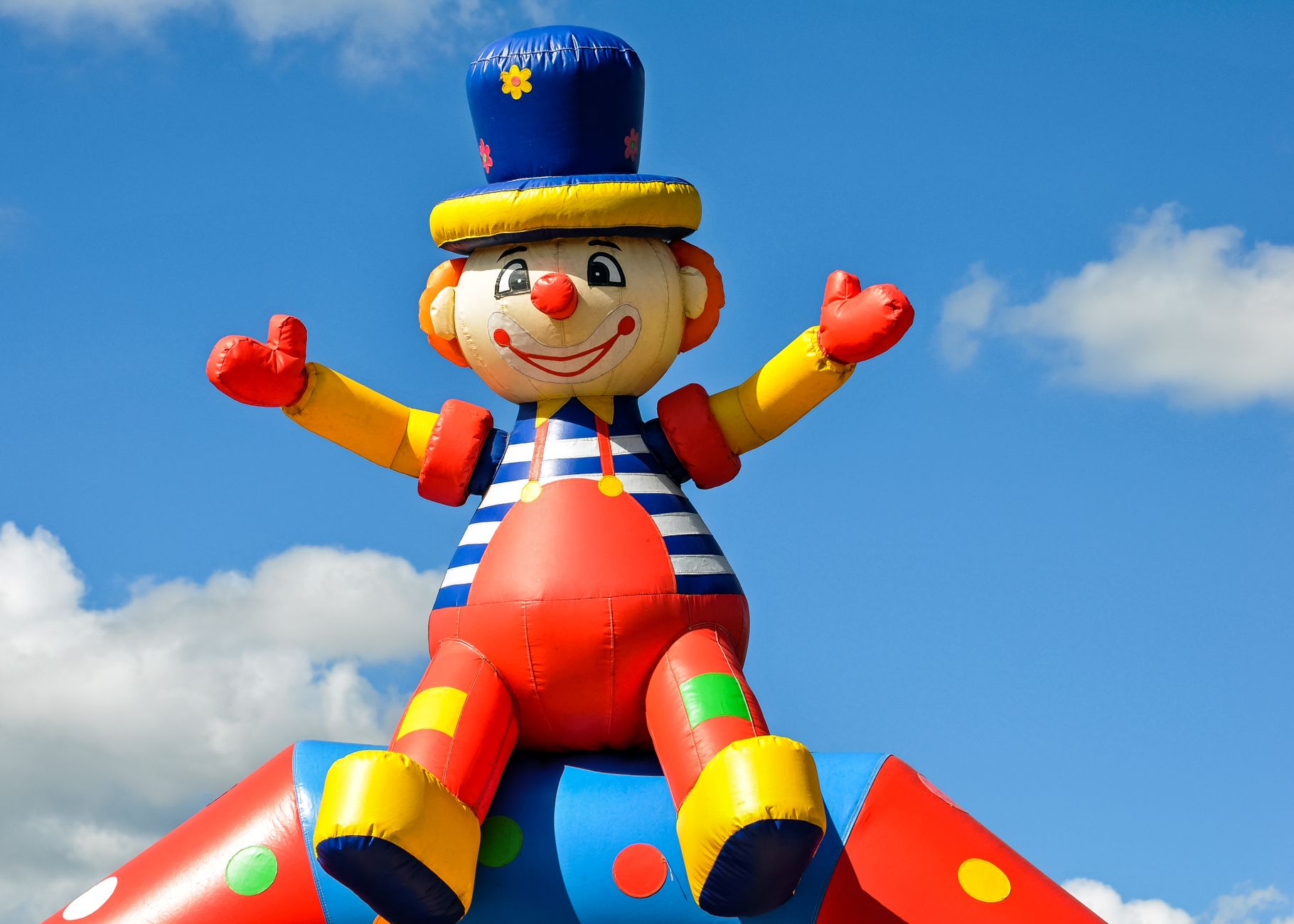
Forty-eight kids. One bouncy castle. A strain of MRSA so aggressive it might as well have been engineered in a lab. That's the reality health officials in Ireland are staring down after an outbreak that turned a children's party attraction into a biological weapon.
The details, first reported by Ars Technica, are the kind that make you want to douse every soft-play center in bleach. The inflatable structure wasn't just dirty — it was a reservoir for a hypervirulent methicillin-resistant Staphylococcus aureus that tore through the kids like wildfire. Skin infections. Abscesses. At least a few hospitalizations. All from an afternoon of bouncing.
How a Bouncy Castle Became a Petri Dish
Here's the thing about inflatables: they're basically giant, warm, moist sponges. Kids climb in, sweaty and grimy, scraping knees and elbows on the vinyl. Blood, sweat, and skin cells get smeared into every crease. Most of the time, that's just gross. But when MRSA gets into the mix, it's a different story.
The strain in question, according to lab analyses, carries a virulence factor that makes it particularly good at colonizing broken skin and spreading through casual contact. In a bouncy castle, casual contact is the whole point. Kids tumble over each other, grab the same handles, face-plant into the same padded walls. It's a transmission chain reaction waiting to happen.
“We've seen outbreaks linked to shared equipment before, but the speed and severity here are unusual,” one infectious disease specialist told Ars Technica. “This strain is not your garden-variety MRSA.”
Unusual is putting it mildly. Within days of the event, 48 children — ages ranging from toddlers to pre-teens — showed up at clinics and emergency rooms with angry, pus-filled lesions. Some needed surgical drainage. Others required IV antibiotics. The local health authority scrambled to trace contacts, but the horse had already left the barn.
The Invisible Threat We All Ignore
Bouncy castles are a $2 billion global industry. They're at every fair, every school carnival, every backyard birthday. And they're almost never cleaned properly. A quick wipe-down with a disinfectant spray? That's the best-case scenario. More often, they're rolled up, stuffed in a van, and shipped to the next event, teeming with whatever bacteria the last batch of kids left behind.
MRSA isn't new. It's been a hospital scourge for decades. But community-acquired strains have been on the rise, and they're finding new vectors. Gym mats. Daycare toys. Now, inflatable castles. The common thread? Shared surfaces, minimal cleaning, and a population of kids whose immune systems are still learning the ropes.
What makes this Irish outbreak particularly alarming is the strain's hypervirulence. It's not just resistant to methicillin — it's also equipped with toxins that break down tissue and evade immune responses. In plain English: it hits harder and spreads faster than the MRSA you've heard about.
Who's to Blame? Everyone and No One
The rental company that provided the castle says it followed standard cleaning protocols. The parents say they had no reason to suspect anything. The health department says it's investigating. And the kids? They just wanted to bounce.
This is the problem with preventive health: when it works, nothing happens. When it fails, you get 48 infected children and a headline that sounds like a bad joke. There's no villain here — just a system that treats disinfection as an afterthought.
Ireland's Health Protection Surveillance Centre has issued new guidance for inflatable rental operators, recommending hospital-grade disinfectants and mandatory drying times between events. But recommendations aren't regulations. And without enforcement, they're just words on a PDF.
“We can't test every bouncy castle,” an HPSC spokesperson said. “But we can make sure operators know the risks and have the tools to mitigate them.”
That's cold comfort for the families who spent last week in doctors' offices, watching their kids endure painful drainage procedures. And it's a warning shot for every parent who's ever rented a bounce house for a birthday party.
The Bigger Picture: Our Obsession with Cheap Fun
We live in an era of rented everything. Rented scooters. Rented party supplies. Rented inflatable castles that have been used by hundreds of kids before yours. The sharing economy is great for convenience and terrible for hygiene.
MRSA isn't the only risk. Norovirus, hand-foot-and-mouth disease, impetigo — all of them can hitch a ride on vinyl surfaces. But MRSA is the one that can put a kid in the hospital. And this outbreak proves that it doesn't take much: one contaminated castle, one busy weekend, and a chain of infection that's nearly impossible to break.
Public health officials are quick to say the overall risk remains low. They're right. Most bouncy castles won't give your kid MRSA. But “low risk” isn't “no risk,” and when the downside is a flesh-eating bacterial infection, even low odds start to feel unacceptable.
What Parents Can Actually Do
First, ask questions. If you're renting an inflatable, find out how it's cleaned and how often. Don't accept “we spray it down” as an answer. Ask for specifics: what disinfectant, how long it sits, whether it's dried completely before storage.
Second, bring your own wipes. A pack of alcohol-based disinfectant wipes can go a long way. Wipe down the high-touch areas — handles, entrances, anywhere kids grab — before your child climbs in. It's not perfect, but it's something.
Third, cover open wounds. Even a tiny scrape is an entry point. A waterproof bandage won't stop everything, but it reduces the odds.
And fourth, pay attention. If your kid develops a red, swollen, painful bump within a few days of a bounce-house session, get it looked at. Early treatment is the difference between a topical ointment and a surgical incision.
The Uncomfortable Truth
We like to think of childhood as a germ-free bubble. It isn't. It's a messy, muddy, snotty, wonderful chaos. And that's fine. Kids need exposure to build immunity. But there's a difference between playing in the dirt and rolling around in a vinyl sack coated in antibiotic-resistant bacteria.
The Irish outbreak is a wake-up call. Not because bouncy castles are uniquely dangerous, but because they're a symbol of everything we overlook: the shared surfaces, the lax cleaning, the assumption that someone else is taking care of it. Someone isn't. And 48 kids just paid the price.
So the next time you see a bouncy castle at a fair, look closer. That bright, cheerful inflatable might be hiding something you can't see. And by the time you do, it's already too late.