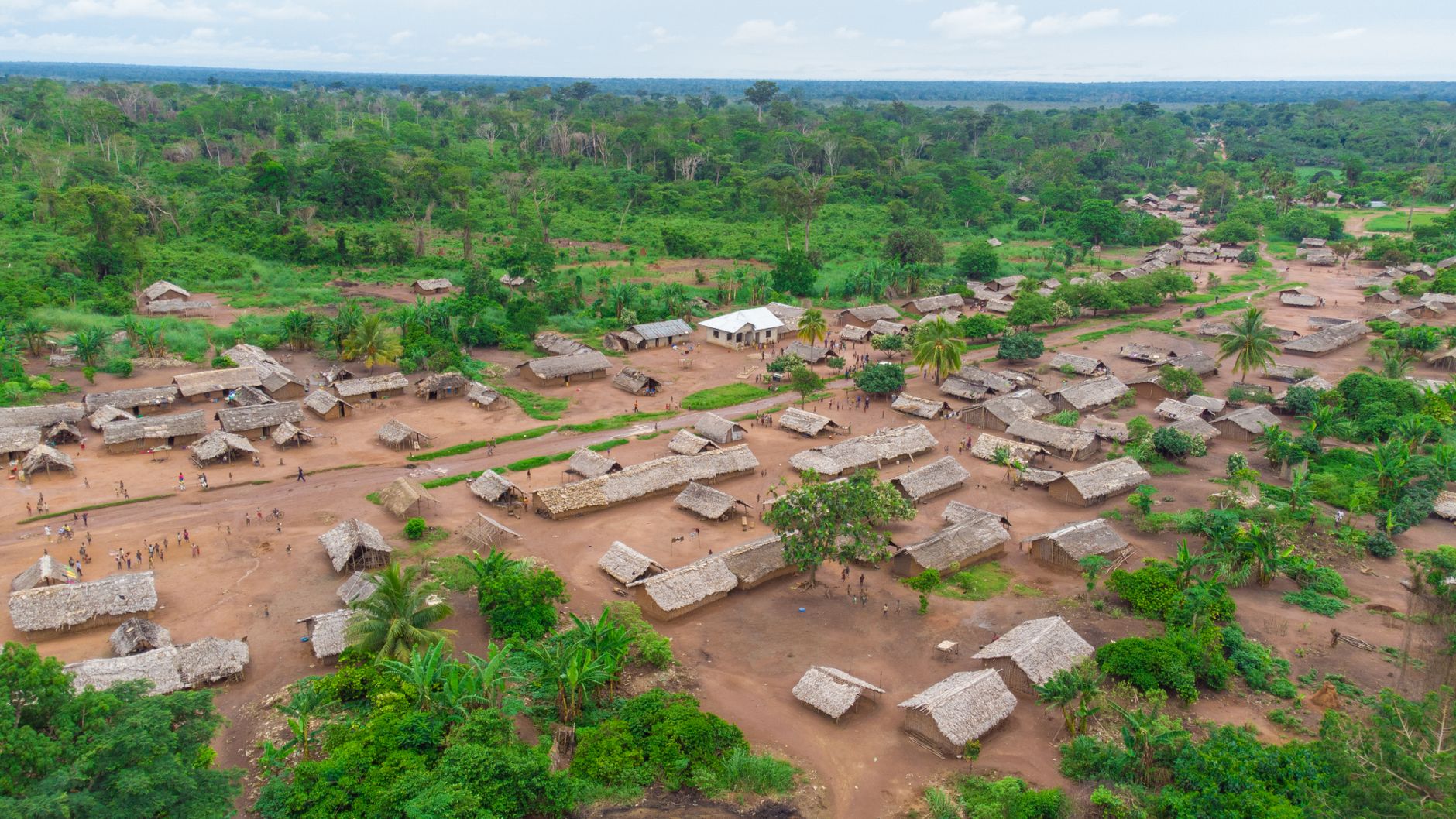
Seven thousand cases. Three thousand four hundred dead. And the world is still treating the Democratic Republic of Congo's Ebola epidemic like a distant problem. It isn't. This is the worst outbreak the country has ever seen, and it's happening because we let it.
The numbers come from Al Jazeera, but the story is older than that. In mid-May, DRC health officials detected the Bundibugyo virus — a rare strain of Ebola with no approved vaccine, no proven treatment, and a mortality rate that can climb past 50%. Four months later, the virus has torn through communities in the east, leaving a trail of bodies and unanswered questions.
This Isn't the Ebola You Remember
The 2014 West Africa outbreak killed 11,000 people and terrified the planet. It was caused by the Zaire strain. There were experimental vaccines, and they worked. The world learned how to fight that version of Ebola.
Bundibugyo is different. It's a stranger. It doesn't respond to the same drugs. The rVSV-ZEBOV vaccine that saved lives in 2014 and again in past DRC outbreaks? Not approved for this strain. Health workers are improvising, using tools that might not work against a virus that kills half the people it infects.
"We're fighting a ghost with a slingshot," one aid worker told a colleague of mine last week. He didn't want his name used. He's seen what happens when the world looks away.
Congo has dealt with Ebola before. It's the country where the virus was first discovered in 1976. It knows the drill: isolate, trace, bury safely, vaccinate. But this time, the drill doesn't fit. The virus is different. The context is worse.
War, Rumors, and a Broken Supply Line
The outbreak is centered in North Kivu and Ituri provinces — areas that have been battered by armed conflict for decades. More than 100 armed groups operate in the region. Health workers travel with military escorts. Some clinics have been attacked. Patients have fled treatment centers because they fear the guns more than the fever.
And then there's the distrust. Rumors spread faster than the virus: Ebola is a hoax. The vaccine is a plot. Health workers are spreading the disease. This isn't new — it happened in 2018 and 2019 too — but it's worse now because the government and its international partners have less credibility than ever. People have seen promises broken before.
Meanwhile, the money isn't flowing. The World Health Organization has appealed for $120 million. It's received less than half. The United States, distracted by its own crises, has cut back. Europe is focused on Ukraine. The global health emergency fund is stretched thin. Ebola is not a sexy cause. It doesn't trend on social media. It kills poor people in a country most Westerners couldn't find on a map.
Why This Should Scare You
Ebola doesn't stay put. In 2014, it crossed borders and landed in Dallas and Madrid. A single patient can seed an outbreak anywhere in the world. And with global air travel back to pre-pandemic levels, the risk is real. It's low, sure. But it's not zero.
The Bundibugyo strain has already appeared in Uganda. Health officials there are scrambling. If it reaches a major city — Goma, Kampala, Nairobi — the math changes. The virus doesn't care about borders. It only cares about contact.
We've known how to stop Ebola for decades. The basics: find cases, isolate them, trace contacts, bury the dead safely. That's it. No magic. But in a war zone with no trust and no money, the basics are nearly impossible.
The World's Attention Deficit
This is the part that makes me furious. We have the tools to contain this outbreak. We have the knowledge. We've done it before. But we don't have the will. The international community is treating Congo like a lost cause, a place where problems are too big and too complicated to solve. That's a lie. It's a choice.
Every day we wait, the virus spreads. Every day we underfund the response, more health workers get infected. Every day we ignore the political roots of the crisis — the war, the corruption, the poverty — the outbreak gets harder to stop. This isn't just a health emergency. It's a failure of global solidarity.
The DRC's health ministry is doing what it can. Local health workers — many unpaid for months — are risking their lives in conditions most of us can't imagine. They deserve better. They deserve a world that shows up.
"We are not asking for charity," a Congolese doctor told me over a crackling phone line. "We are asking for the same urgency you gave to your own people. Is that too much?"
It shouldn't be. But here we are.
The Numbers Aren't the Story
Seven thousand cases. The headlines will report that figure and move on. But behind each case is a person. A mother. A teacher. A child. A health worker who went to work one morning and never came home. Each death is a universe collapsing.
This outbreak will not end with a vaccine. There isn't one for this strain, not yet. It will end when the world decides that Congolese lives matter as much as anyone else's. That means funding. That means security. That means trust-building, community engagement, and a long-term commitment that outlasts the news cycle.
We've been here before. In 2014, the world woke up after it was almost too late. The question now is simple: will we wake up in time this time?
So far, the answer is no.