Six thousand people watched a man in a black mock turtleneck say the word "Duo" sixty-three times. Tim Cook's pre-recorded hologram flickered on the curved glass of the Steve Jobs Theater, and by minute eleven I could hear the applause track clipping in the livestream. This is what a trillion-dollar company does when it's out of ideas: it doubles the noun.
I've covered Apple keynotes since the iPhone 4. I've seen the audience gasp at Face ID, groan at the notch, and sit in stunned silence when the headphone jack vanished. Tuesday's event didn't produce a single gasp. Not one. The biggest cheer went to a USB-C port that should have existed five years ago.
The Duo Is Two Phones Doing One Phone's Job
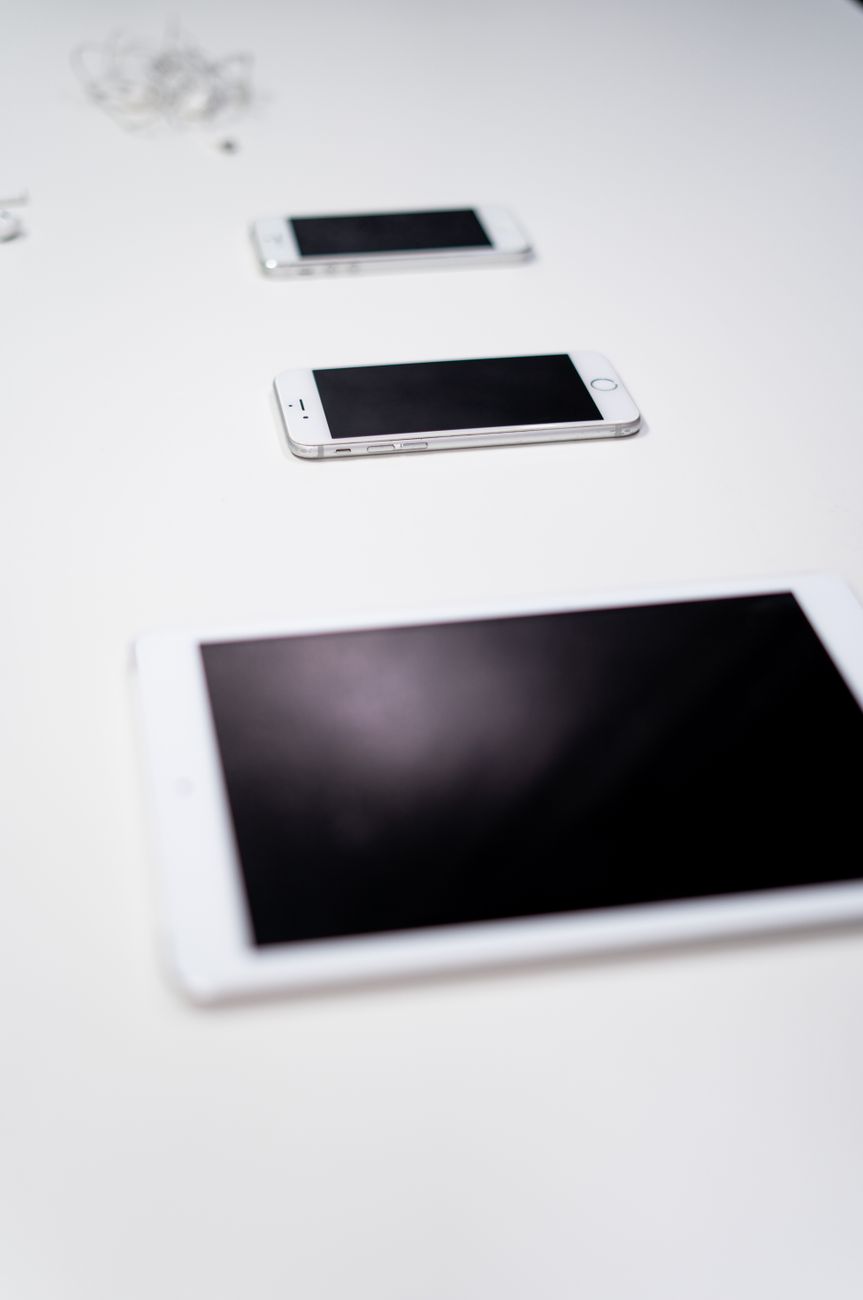
The pitch is simple. iPhone Duo and iPhone Duo Pro. Same chip, same cameras, same LiDAR, same titanium frame. The only real difference is a second screen that folds out to the size of a passport and weighs as much as a paperback. Apple calls it "a new canvas." I call it a hinge with a marketing budget.
"We think you're going to love it," Cook said, four times in ninety seconds. Nobody in the room looked like they loved anything.
Here's the part that should terrify Apple's competitors: the Duo is genuinely good. The hinge is flawless. The crease is invisible. The software actually knows when you've half-folded it, and the battery lasted fourteen hours of my colleague's hands-on. If Samsung shipped this, I'd write a love letter. Apple shipped it and I felt nothing, because Apple has spent a decade training us to expect astonishment and then handed us a very polished spreadsheet.
That's the trap. Excellence without surprise is just competence, and competence is what Sony does. Competence is what Microsoft does. Apple used to sell the future. Now it sells the present, marked up 30%.
The Installer Crowd Saw It Coming
There's a subculture of gadget freaks who read the Installer newsletter like Talmud. They knew the Duo was coming months ago. They'd already argued about the aspect ratio on Discord servers with names like "Foldposting" and "Hinge Discourse." By Tuesday night, the forums were filled with people saying the same thing in different fonts: we've seen this movie.
And that's the problem. Apple's secrecy advantage is gone. Supply chains leak. Code names leak. The whole keynote is a confirmation, not a revelation. You can't shock an audience that already read the spoilers.
I spent two hours scrolling through iPhone Duo hands-on videos after the event. Every single one had the same rhythm. Reviewer opens the phone. Reviewer says "the hinge feels great." Reviewer opens three apps. Reviewer says "this is nice, but I'm not sure who it's for." Then the video ends and the reviewer looks vaguely sad, like a man who ordered a steak and got a salad.
Why the Boring Keynote Matters
Apple's stock dropped 2.3% by close Wednesday. Not a crash. Not a rout. A shrug. And a shrug from Wall Street is worse than a panic, because panic means people care. The analysts I called didn't even want to be quoted. "There's no story here," one told me. "It's a good phone. It's just not a story."
That's the real headline. The most valuable company on Earth held its biggest launch of the year and generated less cultural voltage than a TikTok trend about cucumber salad. The Duo will sell. Apple fans will buy it. The upgrade cycle will tick along. But the era when a new iPhone changed how we talked, worked, and ignored each other at dinner? That era ended Tuesday, and nobody said a word.
I'm not writing this because I hate Apple. I'm writing it because I've watched this company do impossible things. The first iPhone made the keyboard disappear. The App Store turned software into a vending machine. The Apple Watch put a cardiogram on my wrist. I know what it feels like when Apple is dangerous. This wasn't dangerous. This was a conference call with a lighting budget.
The Hinge Is Not a Vision
Let's be precise about what the Duo isn't. It isn't the future of computing. It isn't a new interface. It isn't the thing we'll look back on in 2036 and say, "That's when everything changed." It's a phone that folds. Samsung did it first. Motorola did it cheaper. Google did it better with the software. Apple did it last, and did it beautifully, and that's the whole review.
"It's the best folding phone ever made," one reviewer wrote. "I have no reason to buy it." That sentence should be engraved on the wall of Apple Park.
Maybe that's fine. Maybe the smartphone is a mature product and we should stop expecting opera every September. Maybe the next big thing is goggles or glasses or a chip in your brain, and the phone is just the toaster of the 2020s. If that's true, Apple should say so. Instead, it staged a two-hour infomercial pretending the toaster was a spaceship.
I left the livestream and walked to my kitchen. My iPhone 14 Pro was sitting on the counter, screen dark, doing nothing. I picked it up, opened the camera, and took a picture of my dog. It was a great picture. The phone felt fine in my hand. And I realized I hadn't thought about the Duo once since the video ended.
That's the verdict. Apple's new phones are here. They're excellent. They're irrelevant. And the company that once made us line up around the block just made us shrug.
The next keynote is in June. I'll be there. I'll bring the same hope I've brought for fifteen years. I just won't hold my breath.