The CDC quietly closed the book this week on the largest cyclosporiasis outbreak in American history. Twelve thousand and sixty people sickened. Four hundred and twenty-one hospitalized. Not one death — which is the only statistic in this whole mess that anyone should feel good about.
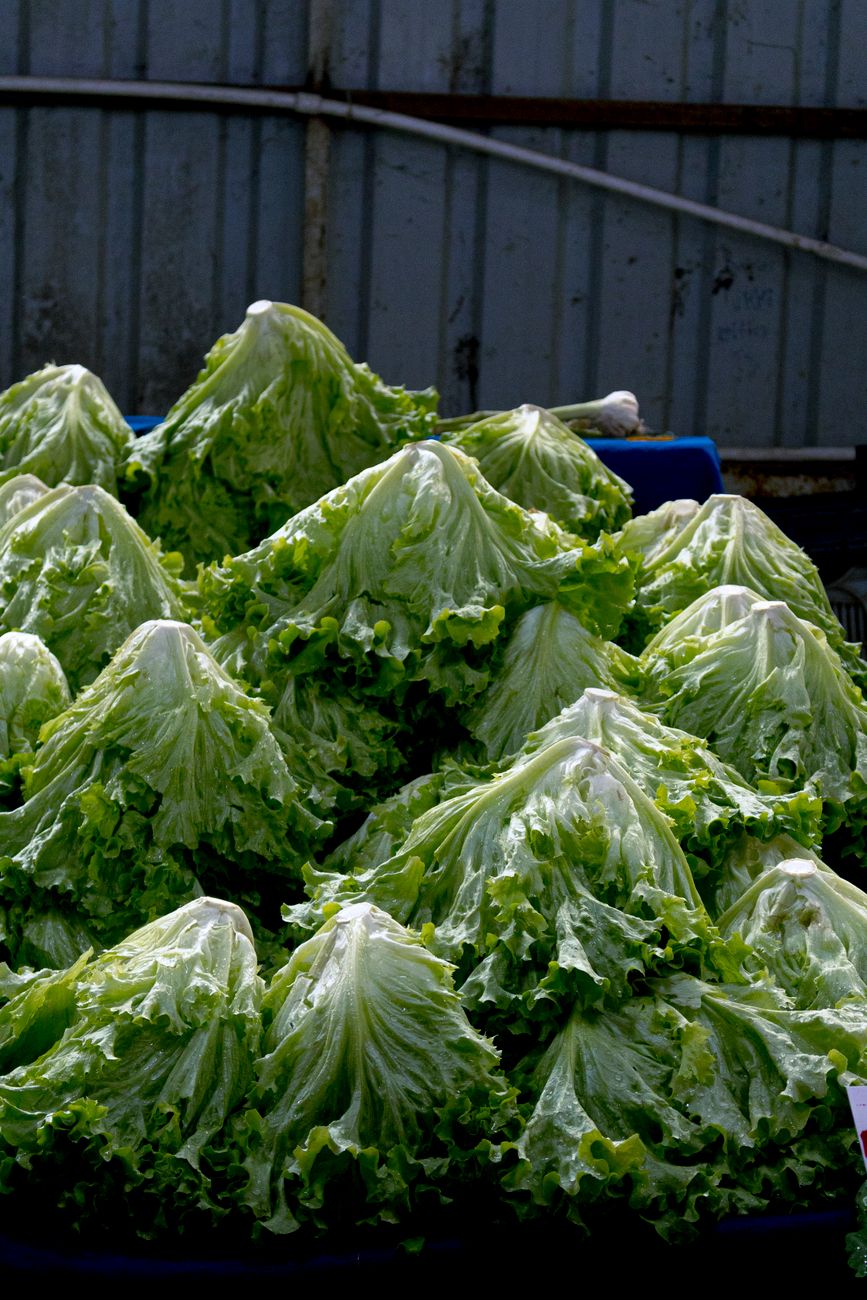
The culprit? Shredded iceberg lettuce. From Taylor Farms. The kind of bagged salad that sits in your fridge for a week because you swore you'd eat it and then didn't. The kind that ends up in a cafeteria, a hospital kitchen, a school lunch line.
And here's the part that should make your skin crawl: nobody has been arrested. Nobody has been fired. The lettuce is gone, the outbreak is over, and we're all supposed to move on like this was some freak act of God instead of a failure of industrial food production that was entirely predictable.
Twelve Thousand People Ate a Salad and Got a Parasite
Cyclosporiasis isn't sexy. It's not E. coli, which makes headlines and gets beef recalled within hours. It's a single-celled parasite called Cyclospora cayetanensis, and it does exactly one thing: it makes you miserable for weeks.
Watery diarrhea. Cramps. Fatigue so deep you can't lift your arms. Explosive stomach pain that comes and goes for a month or more, long after you've stopped eating whatever poisoned you. It doesn't kill you. It just grinds you down until you forget what normal felt like.
Twelve thousand people went through that. In the richest country on Earth. From lettuce.
Let me be clear about the scale here. This isn't a few cases in one state. The CDC's final count — 12,060 confirmed — makes this the worst cyclosporiasis outbreak ever recorded on U.S. soil. It dwarfed the previous record, a 2018 outbreak tied to Del Monte vegetable trays that sickened roughly 250. We're talking about a forty-eight-fold increase.
“This is what happens when you centralize food production and then pretend that a spot check at the end of the line is the same thing as safety.”
Taylor Farms, for its part, issued a recall. Then another. Then a third. The company said all the right things: food safety is our top priority, we're cooperating with regulators, we've enhanced our protocols. Standard corporate liturgy. You could swap in any food company's name and save the template.
The Real Failure Wasn't the Lettuce — It Was the System
Here's what actually happened, stripped of the press releases.
Shredded iceberg lettuce is a nightmare from a food safety perspective. It's cut, which creates more surface area for pathogens. It's washed in massive communal baths where one contaminated head can spread to thousands of pounds. It's shipped in sealed plastic bags that trap moisture — a perfect petri dish. And it's eaten raw, so there's no kill step, no final cooking that might save you.
The industry knows this. It has known for decades. But the same system that makes bagged lettuce so convenient — massive central processing, national distribution, just-in-time delivery — also makes contamination spread faster and wider than ever before.
A single farm, a single batch, a single failure of chlorination in a wash tank, and suddenly there are cases in twenty states.
The FDA conducted 1,327 inspections of produce facilities last year. That sounds like a lot until you realize there are more than 35,000 registered food facilities in the U.S. The odds of any one of them getting inspected in a given year are roughly one in twenty-six.
Do the math. If you're a food safety executive and you know your plant has a one-in-twenty-six chance of being inspected this year, what's your incentive to spend millions upgrading your wash systems?
Exactly.
What the CDC Said — And What It Didn't
The CDC's final report is careful. Clinical. It notes that the outbreak is over, that the contaminated product has been recalled, that the risk to the public has ended. All true. All beside the point.
What the report doesn't say — because the CDC doesn't do this, because it's not their job — is that this will happen again. Maybe not cyclosporiasis. Maybe it's Listeria in cantaloupe next time, or E. coli in romaine, or something we haven't seen yet. But it will happen. The conditions that created this outbreak haven't changed by a single degree.
The leafy greens industry has a voluntary safety program. Voluntary. That's the word. Companies that sign up agree to certain testing and sanitation standards. Companies that don't sign up face no penalty. It's like a speed limit with no cops.
Some producers do test their water and their product. Good for them. But the testing is often limited — a few samples from a few batches, enough to say you tested, not enough to actually catch a problem. And when contamination does show up, the recall system is a mess: fragmented, slow, dependent on consumers checking lot numbers on bags they've already thrown away.
I've covered enough outbreaks to know the pattern. Something makes people sick. Regulators issue warnings. Industry promises reform. A few years pass. Nothing changes. Then it happens again.
The People Who Paid the Price
Let's not forget what this actually looked like on the ground.
In Ohio, a 34-year-old teacher missed three weeks of work because she couldn't leave the bathroom. No paid sick leave. Her district's substitute budget ran dry. She spent her spring break hooked up to an IV in an urgent care clinic, then went back to grading papers from her couch because her students had standardized tests coming up.
In Texas, a nursing home lost two staff members for a month. The remaining nurses worked double shifts. One of them told a local reporter she hadn't slept more than four hours a night since the outbreak began. The residents were fine — the nursing home had stopped serving the suspect lettuce early — but the caregivers were wrecked.
In California, a father of two spent his daughter's birthday in the ER, dehydrated and delirious, while his wife fielded calls from the daycare about whether their other kid had been exposed.
Multiply those stories by twelve thousand. That's the real cost of this outbreak. Not the recall. Not the stock price dip. The people.
The Question Nobody Wants to Ask
We spent the last decade talking about food deserts, about access, about making fresh produce affordable for everyone. Good conversations. Necessary ones. But we skipped a step.
What's the point of making lettuce cheap and available if it might make you sick for a month?
The answer isn't to stop eating salad. That's the coward's response, and it punishes the wrong people — the farmworkers who pick the greens, the small producers who do everything right, the families who just want their kids to eat a vegetable.
The answer is to stop pretending that voluntary standards and post-hoc recalls are the same thing as a food safety system. They're not. They're a liability shield for corporations and a gamble for everyone else.
The CDC says the outbreak is over. Fine. The diarrhea has stopped. The headlines have moved on.
But the next bag of shredded lettuce is already in the cooler. And nobody — not the FDA, not the CDC, not Taylor Farms — can tell you with any confidence that it's safe.
That's not a reassurance. That's a warning.